
In our fast-paced world where productivity is praised and busyness is worn as a badge of honor, the idea of slowing down can feel almost revolutionary. Yet for women navigating the complexities of modern life—balancing careers, relationships, family, and personal growth—the practice of restorative yoga offers something profoundly transformative: permission to rest, deeply and intentionally.
Restorative yoga isn't just another form of exercise or relaxation technique. It's a practice rooted in the understanding that our bodies, particularly the feminine nervous system, require periods of deep rest to heal, restore, and thrive. In this comprehensive guide, we'll explore the science behind restorative yoga, understand how it differs from other gentle practices, and provide you with a complete 30-minute sequence you can practice at home.
Understanding Restorative Yoga: More Than Just Relaxation
Restorative yoga is a therapeutic style of yoga that uses props—bolsters, blankets, blocks, and straps—to fully support the body in passive poses held for extended periods, typically 5 to 20 minutes. Unlike active yoga styles that build strength and flexibility through movement, restorative yoga focuses on releasing tension and activating the parasympathetic nervous system, often called the "rest and digest" response.

The practice was developed by B.K.S. Iyengar and later refined by his student Judith Hanson Lasater, who recognized the profound healing potential of supported, passive poses. The philosophy is simple yet powerful: when the body is completely supported and comfortable, the mind can truly let go, allowing for deep physical, mental, and emotional restoration.
The Feminine Nervous System and the Need for Rest
Women's bodies operate within complex hormonal cycles that influence energy levels, emotional states, and physical needs throughout the month. The feminine nervous system is particularly sensitive to stress, and chronic activation of the sympathetic nervous system (the "fight or flight" response) can lead to hormonal imbalances, disrupted sleep, digestive issues, and burnout.
The Science of Rest and Recovery
Research shows that practices activating the parasympathetic nervous system can lower cortisol levels, reduce inflammation, improve heart rate variability, and enhance immune function. A 2018 study published in the International Journal of Yoga found that restorative yoga significantly reduced anxiety and improved overall well-being in participants, with effects lasting well beyond the practice session.
Restorative yoga provides a sanctuary for the nervous system to recalibrate. By holding supported poses for extended periods, we signal to the body that it's safe to rest, allowing the parasympathetic nervous system to take over. This shift has profound effects: muscles release chronic tension, breathing deepens naturally, heart rate slows, and the mind enters a state of calm alertness similar to meditation.
Restorative Yoga vs. Other Gentle Practices: Understanding the Differences
Many people confuse restorative yoga with other gentle yoga styles, but there are important distinctions that make restorative yoga uniquely therapeutic:
Restorative Yoga vs. Yin Yoga
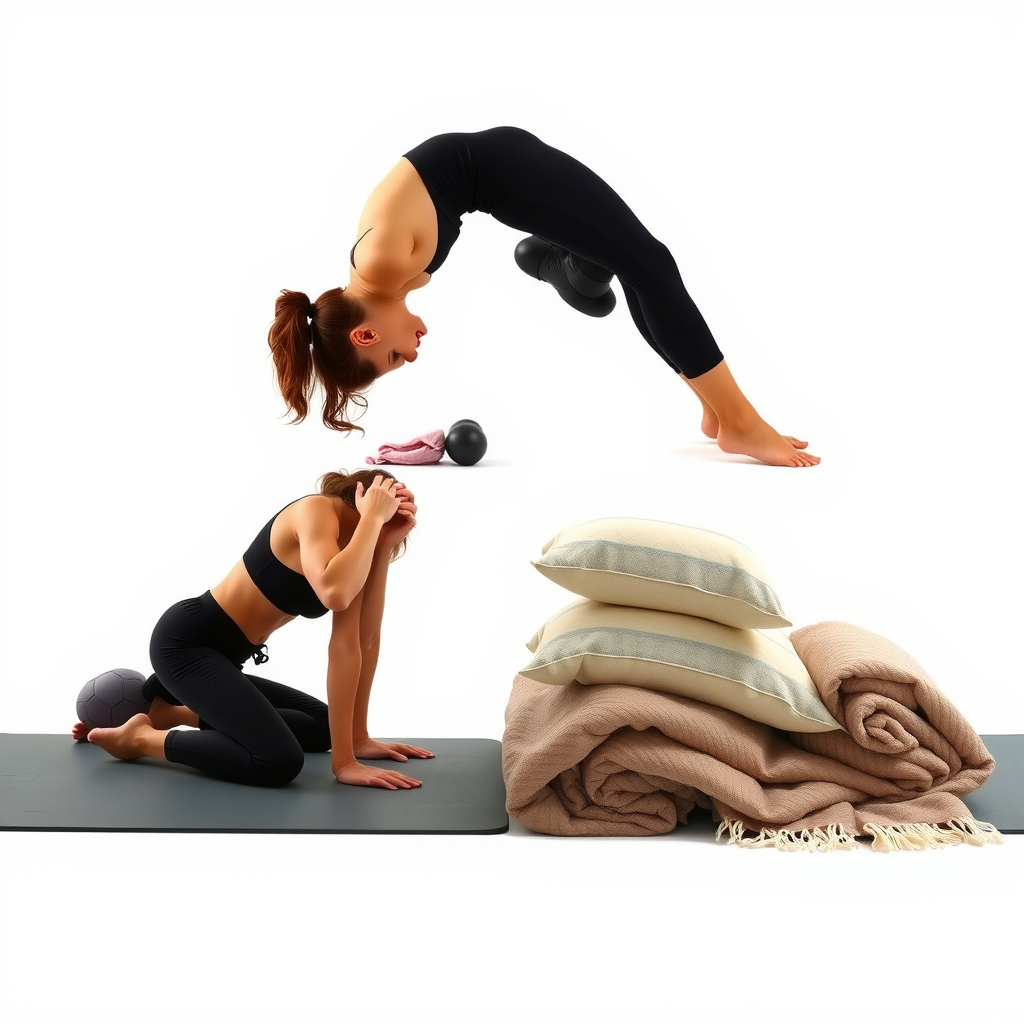
While both practices involve holding poses for extended periods, yin yoga applies moderate stress to connective tissues to increase flexibility and joint mobility. Poses are held for 3-5 minutes and can involve mild discomfort as tissues stretch. Restorative yoga, in contrast, uses props to eliminate all stress and strain, creating complete comfort and support. The goal isn't to stretch but to release and restore.
Restorative Yoga vs. Gentle or Hatha Yoga
Gentle yoga and basic hatha yoga classes involve active movement between poses, building strength and flexibility through engagement. Even in easier variations, muscles are working to hold positions. Restorative yoga eliminates all muscular effort—the props do all the work of supporting the body, allowing complete surrender and passive opening.
Restorative Yoga vs. Meditation
While meditation focuses primarily on training the mind through awareness and concentration, restorative yoga works through the body to calm the mind. The physical comfort and support of the poses make it easier for many people to access meditative states, especially those who find sitting meditation challenging. The body becomes a gateway to mental stillness.
Key Characteristics of Restorative Yoga
- Poses are held for 5-20 minutes to allow deep release
- Props provide complete support—no muscular effort required
- Focus is on comfort and ease, not stretching or strengthening
- Activates the parasympathetic nervous system
- Typically includes only 4-6 poses in a full session
- Emphasizes stillness, breath awareness, and internal observation
The Profound Benefits: Why Slowing Down Changes Everything
The benefits of restorative yoga extend far beyond the time spent on the mat. Regular practice creates a ripple effect that touches every aspect of life:
Physical Benefits
- Reduces chronic pain and tension: By releasing deeply held muscular patterns and calming the nervous system, restorative yoga can significantly reduce chronic pain, particularly in the neck, shoulders, and lower back
- Improves sleep quality: The deep relaxation response cultivated in practice carries into nighttime, helping regulate sleep cycles and improve rest quality
- Supports hormonal balance: Lowering stress hormones like cortisol helps regulate other hormones, potentially easing PMS symptoms and supporting reproductive health
- Enhances immune function: The parasympathetic state supports immune system activity, helping the body fight illness and recover from stress
- Aids digestion: Activating the "rest and digest" response improves digestive function and can ease issues like IBS and bloating

Mental and Emotional Benefits
- Reduces anxiety and depression: Studies show significant reductions in anxiety and depressive symptoms with regular restorative practice
- Improves emotional regulation: The practice creates space to observe emotions without reactivity, building emotional intelligence
- Enhances mental clarity: The deep rest allows the mind to process and integrate experiences, leading to greater clarity and insight
- Builds resilience to stress: Regular practice trains the nervous system to return to calm more quickly after stressful events
- Cultivates self-compassion: The practice of giving yourself permission to rest builds a kinder, more compassionate relationship with yourself
Spiritual and Energetic Benefits
Beyond the physical and mental, restorative yoga offers a pathway to deeper connection with yourself. In the stillness of supported poses, many practitioners experience:
- A sense of coming home to themselves
- Connection to intuition and inner wisdom
- Release of emotional holding patterns
- Greater sense of wholeness and integration
- Deepened capacity for presence and mindfulness
"Restorative yoga taught me that rest is not a reward for productivity—it's a biological necessity. In learning to truly rest, I found a strength I never knew existed."
Essential Props and Setup: Creating Your Restorative Space
One of the beautiful aspects of restorative yoga is that it can be practiced anywhere with a few simple props. While specialized yoga props are ideal, household items work wonderfully as substitutes.
Essential Props
- Yoga bolster or firm pillows: The foundation of most restorative poses, providing elevation and support
- Yoga blankets (2-4): For cushioning, warmth, and creating custom support. Bath towels or soft blankets work well
- Yoga blocks (2): For elevation and support. Thick books can substitute
- Yoga strap or belt: For gentle support in certain poses
- Eye pillow: Optional but wonderful for deepening relaxation. A small folded towel works too
- Extra blanket for warmth: Body temperature drops during deep relaxation

Creating Your Space
The environment significantly impacts your practice. Create a space that feels safe, comfortable, and nurturing:
- Choose a quiet area where you won't be disturbed
- Dim the lights or use soft, warm lighting
- Ensure the room is comfortably warm (body temperature drops during rest)
- Consider gentle background music or nature sounds, or practice in silence
- Have all props within reach before beginning
- Turn off phones and other potential distractions
Complete 30-Minute Restorative Sequence: A Journey to Deep Rest
This carefully designed sequence takes you through a complete restorative practice, addressing all areas of the body and nervous system. Each pose includes detailed setup instructions and modifications. Remember: comfort is paramount. Adjust props as needed to find complete ease in each position.
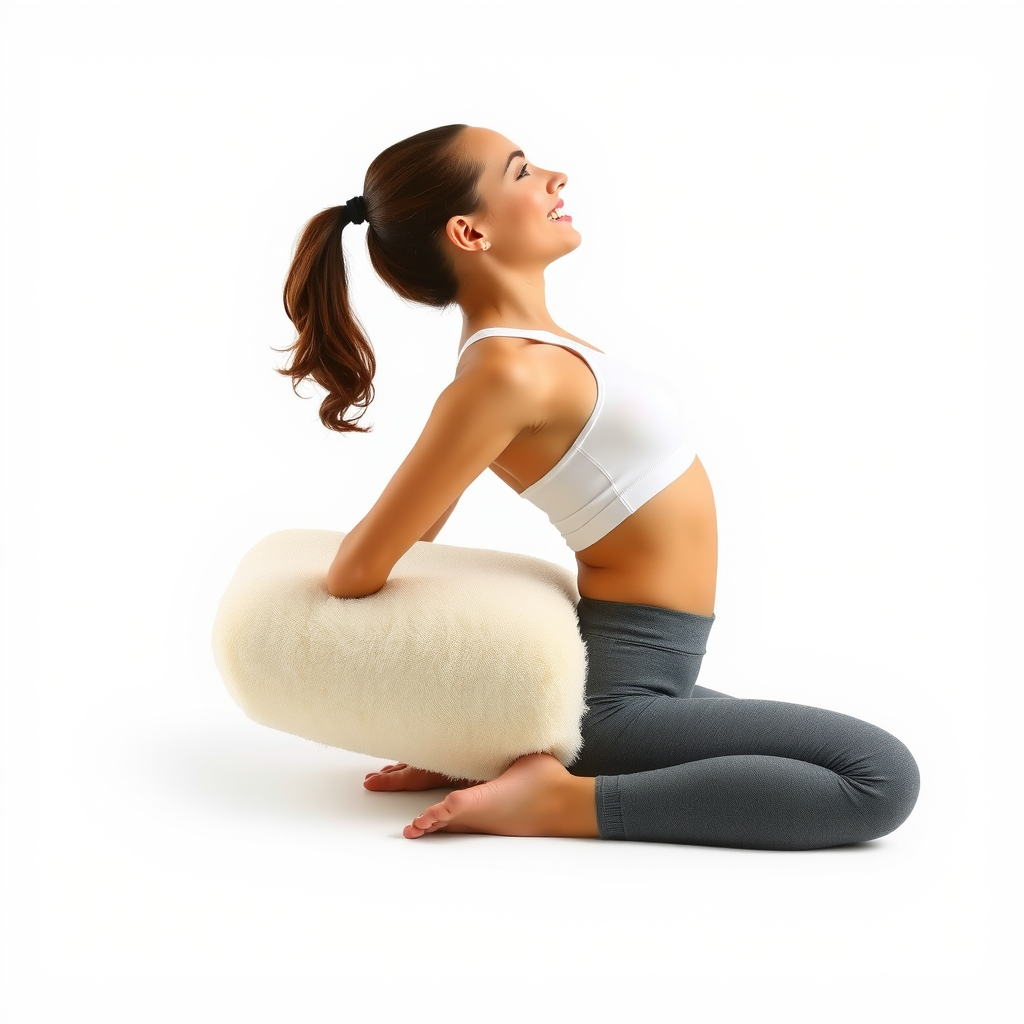
1Supported Child's Pose (Balasana)
Duration: 5 minutes
Benefits: Gently releases lower back tension, calms the nervous system, creates a sense of safety and grounding
Setup:
- Place a bolster lengthwise on your mat
- Kneel with knees wide, big toes touching
- Fold forward, resting your torso on the bolster
- Turn your head to one side (switch halfway through)
- Place a folded blanket under your knees if needed for comfort
- Rest your arms alongside the bolster or overhead
Modifications: If knees are uncomfortable, place additional blankets between buttocks and heels. If the bolster is too low, stack blankets on top for more height.
Focus: Feel your belly gently pressing into the bolster with each breath. Allow your hips to soften and release with each exhale.
2Supported Reclining Bound Angle Pose (Supta Baddha Konasana)
Duration: 7 minutes
Benefits: Opens the chest and heart space, releases hip tension, supports reproductive health, deeply calming for the nervous system
Setup:
- Place a bolster lengthwise on your mat
- Sit in front of the bolster with your sacrum touching its edge
- Bring the soles of your feet together, knees falling open
- Place blocks or folded blankets under each thigh for support
- Slowly recline back onto the bolster
- Place a folded blanket under your head if needed
- Rest arms out to sides, palms facing up
- Place an eye pillow over your eyes
Modifications: If lower back feels strained, place a rolled blanket under your knees. Adjust thigh support height until legs feel completely relaxed.
Focus: Visualize your heart space opening and softening. Notice the gentle expansion of your chest with each inhale.
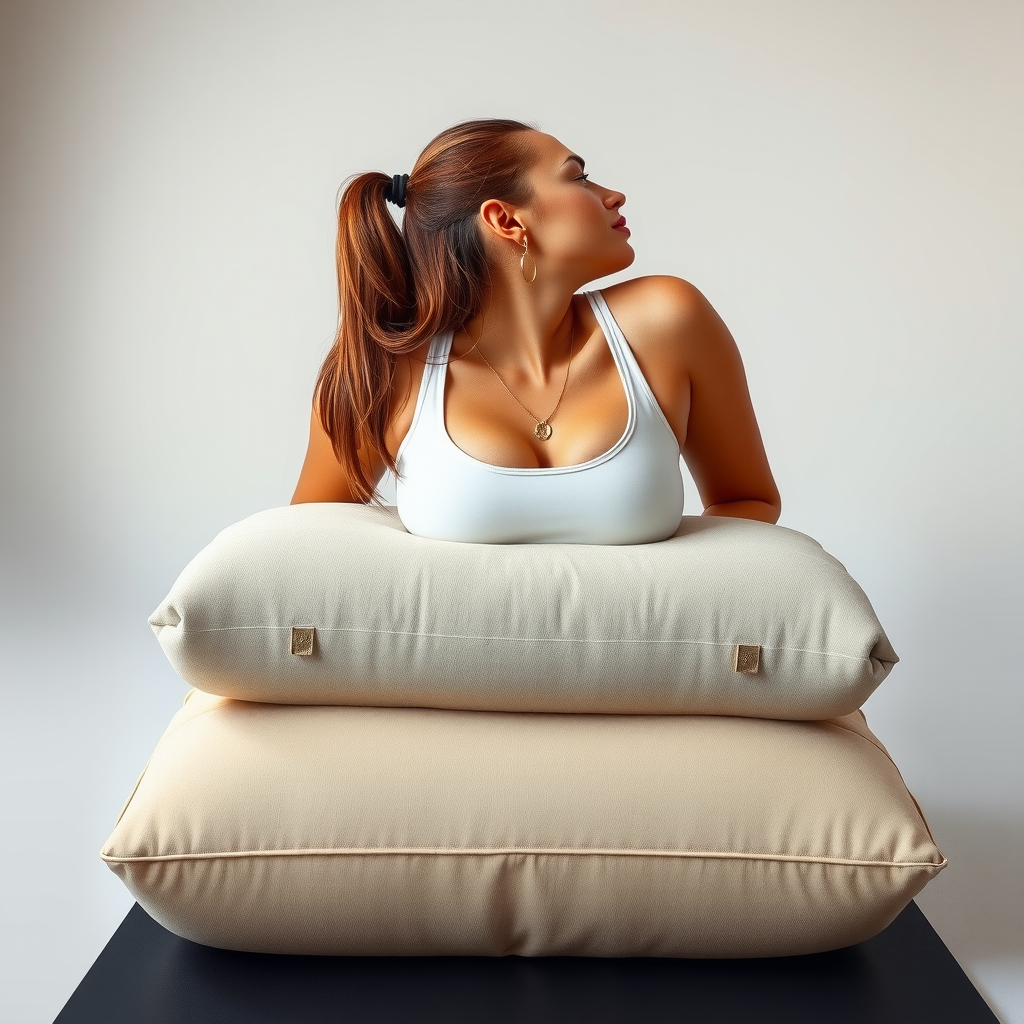
3Supported Forward Fold (Paschimottanasana)
Duration: 5 minutes
Benefits: Calms the mind, releases hamstring and lower back tension, soothes the nervous system, aids digestion
Setup:
- Sit with legs extended forward
- Place a bolster lengthwise on top of your legs
- Stack folded blankets on the bolster if needed for more height
- Fold forward from the hips, resting your torso on the props
- Turn your head to one side (switch halfway through)
- Arms can rest alongside your legs or overhead
- Place a rolled blanket under your knees if hamstrings are tight
Modifications: If you can't reach the bolster comfortably, add more blankets until your torso is fully supported with no strain.
Focus: Rather than trying to stretch, focus on releasing and surrendering. Let gravity do the work.
4Supported Twist (Bharadvajasana)
Duration: 4 minutes each side (8 minutes total)
Benefits: Releases spinal tension, aids digestion, gently detoxifies, creates space in the torso
Setup:
- Sit sideways next to a bolster placed lengthwise
- Bend your knees, bringing both legs to one side
- Rotate your torso toward the bolster
- Fold forward, resting your torso on the bolster
- Turn your head away from your knees
- Place a folded blanket under your head if needed
- Arms rest alongside the bolster
- After 4 minutes, slowly come up and switch sides
Modifications: If hips are uncomfortable, sit on a folded blanket. Add blankets on the bolster for more height if needed.
Focus: Feel the gentle rotation in your spine. Breathe into your back body, allowing it to expand with each inhale.
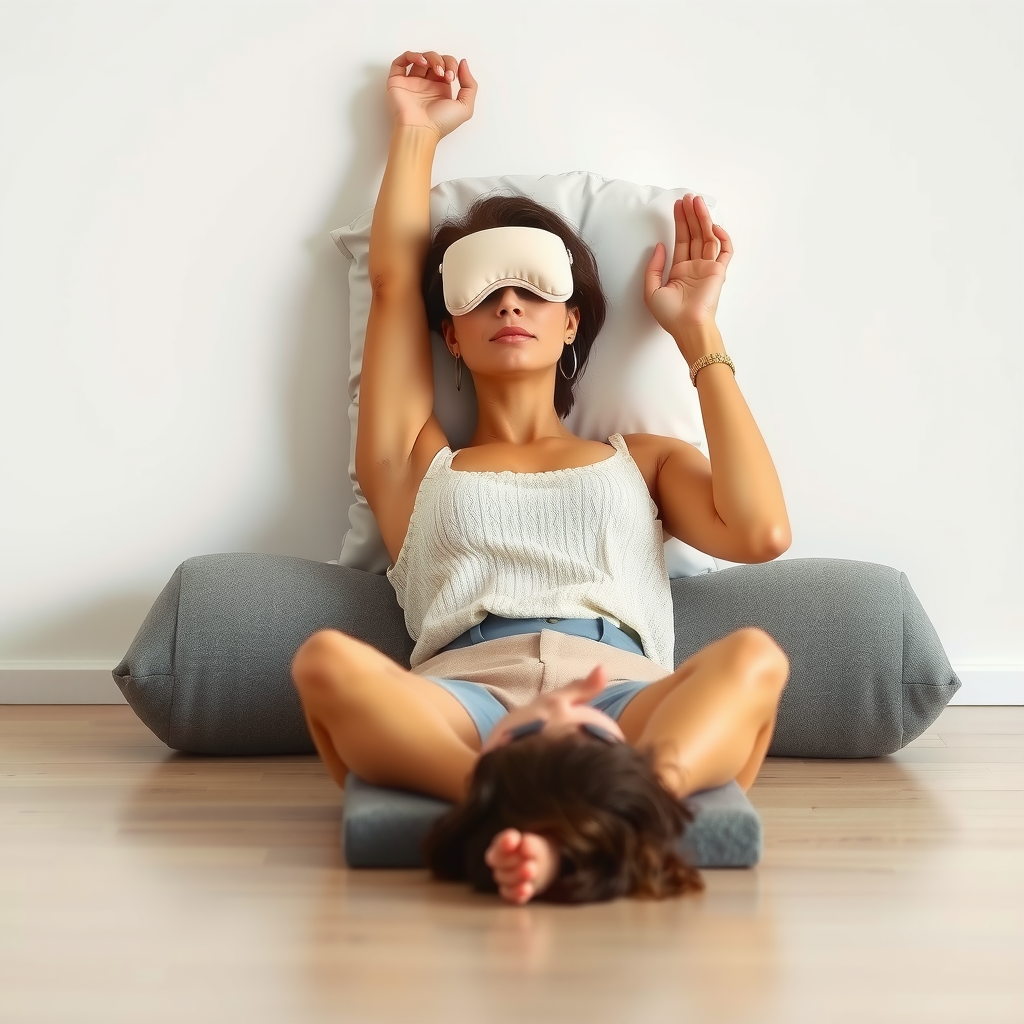
5Legs Up the Wall (Viparita Karani)
Duration: 7 minutes
Benefits: Reduces swelling in legs and feet, calms anxiety, improves circulation, deeply restorative for the nervous system
Setup:
- Place a folded blanket or bolster about 6 inches from a wall
- Sit sideways on the prop with one hip against the wall
- Swing your legs up the wall as you lower your torso to the floor
- Your buttocks should be on the prop, legs resting against the wall
- Adjust distance from wall until comfortable—legs should be relaxed, not straight
- Arms rest out to sides, palms up
- Place an eye pillow over your eyes
- Cover yourself with a blanket for warmth
Modifications: If hamstrings are tight, move further from the wall and allow a gentle bend in the knees. If lower back is uncomfortable, remove the prop and lie flat.
Focus: Visualize tension draining from your legs. Feel the gentle reversal of blood flow and the calming effect on your entire system.
6Supported Savasana (Final Relaxation)
Duration: 7 minutes
Benefits: Integrates the practice, allows complete surrender, deepest rest for body and mind
Setup:
- Lie on your back with legs extended
- Place a bolster or rolled blanket under your knees
- Place a folded blanket under your head
- Rest arms slightly away from body, palms facing up
- Place an eye pillow over your eyes
- Cover yourself with a blanket
- Make any final adjustments for complete comfort
Modifications: If lower back is sensitive, bring knees higher. Some people prefer arms on belly or chest—honor what feels most restful.
Focus: Release all effort. Allow your body to be completely held by the earth. Notice the quality of stillness and peace that emerges.
Integrating Restorative Yoga into Your Life
The true power of restorative yoga emerges with consistent practice. Here's how to make it a sustainable part of your self-care routine:
Creating a Regular Practice
- Start small: Even 15-20 minutes once or twice a week provides significant benefits
- Choose consistent times: Evening practice supports better sleep; morning practice sets a calm tone for the day
- Honor your cycle: Increase restorative practice during menstruation or times of high stress
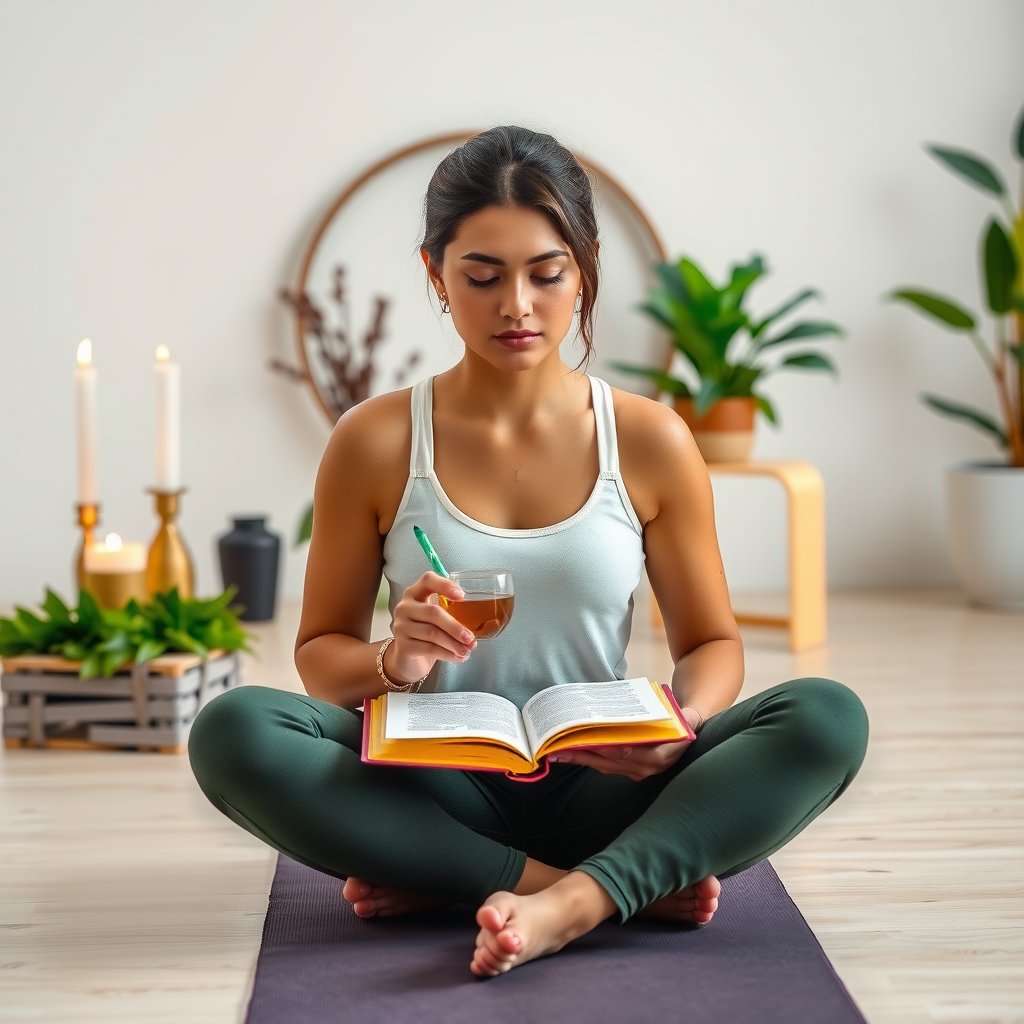
- Create rituals: Light a candle, play specific music, or use aromatherapy to signal to your nervous system that it's time to rest
- Be patient: If you're used to active practices, restorative yoga may feel challenging at first. The ability to rest deeply is a skill that develops over time
Combining with Other Practices
Restorative yoga complements other forms of yoga and exercise beautifully:
- Balance active yoga or fitness routines with restorative sessions
- Use restorative poses as a cool-down after more vigorous practice
- Combine with breathwork or meditation for deeper effects
- Practice restorative yoga on rest days from other activities
Recognizing When You Need Restorative Practice
Your body and mind will signal when restorative practice is needed. Watch for these signs:
- Feeling wired but tired
- Difficulty sleeping or racing thoughts at night
- Increased irritability or emotional reactivity
- Physical tension that won't release
- Feeling overwhelmed or burned out
- Digestive issues or hormonal imbalances
- Difficulty concentrating or mental fog
A Note on Healing and Release
It's common to experience emotional releases during restorative practice. Tears, laughter, or waves of emotion may arise as the body releases stored tension. This is a natural and healthy part of the healing process. Allow whatever arises without judgment, knowing that you're creating space for deep healing.
The Revolutionary Act of Rest
In a culture that glorifies busyness and productivity, choosing to slow down and rest is a radical act of self-care. Restorative yoga offers more than physical relaxation—it provides a pathway to reclaiming your relationship with rest, honoring your body's wisdom, and cultivating the deep nourishment that allows you to show up fully in your life.
The practice teaches us that rest is not passive or lazy—it's an active choice to support our well-being. It's in the stillness that our bodies heal, our minds integrate experiences, and our spirits reconnect with what matters most. For women especially, who often carry the weight of caring for others, restorative yoga offers permission to care for ourselves with the same tenderness and attention we give to those we love.
"Rest is not something we earn through productivity. It's our birthright, a biological necessity, and perhaps the most powerful tool we have for healing and transformation."
As you begin or deepen your restorative yoga practice, remember that there's no goal to achieve, no perfect pose to attain. The practice is simply about being—fully present, completely supported, and deeply at rest. In a world that constantly demands more, restorative yoga whispers a different truth: you are enough, exactly as you are, and you deserve to rest.

May your practice bring you home to yourself, again and again. May you discover the profound strength that lives in softness, the wisdom that emerges in stillness, and the healing that unfolds when we finally allow ourselves to rest.
Ready to explore more ways to support your well-being through yoga and mindfulness? Continue your journey with us at SoulStretch, where we honor the feminine path to wellness through gentle, restorative practices designed for real women living real lives.