Establishing a home yoga practice is one of the most empowering gifts you can give yourself. It's not about having a perfect studio space or expensive equipment—it's about creating a sustainable, meaningful practice that fits seamlessly into your life. Whether you live in a spacious home or a cozy apartment, whether you have thirty minutes or just ten, you can cultivate a yoga practice that nourishes your body, calms your mind, and supports your overall well-being.
Designating Your Sacred Space
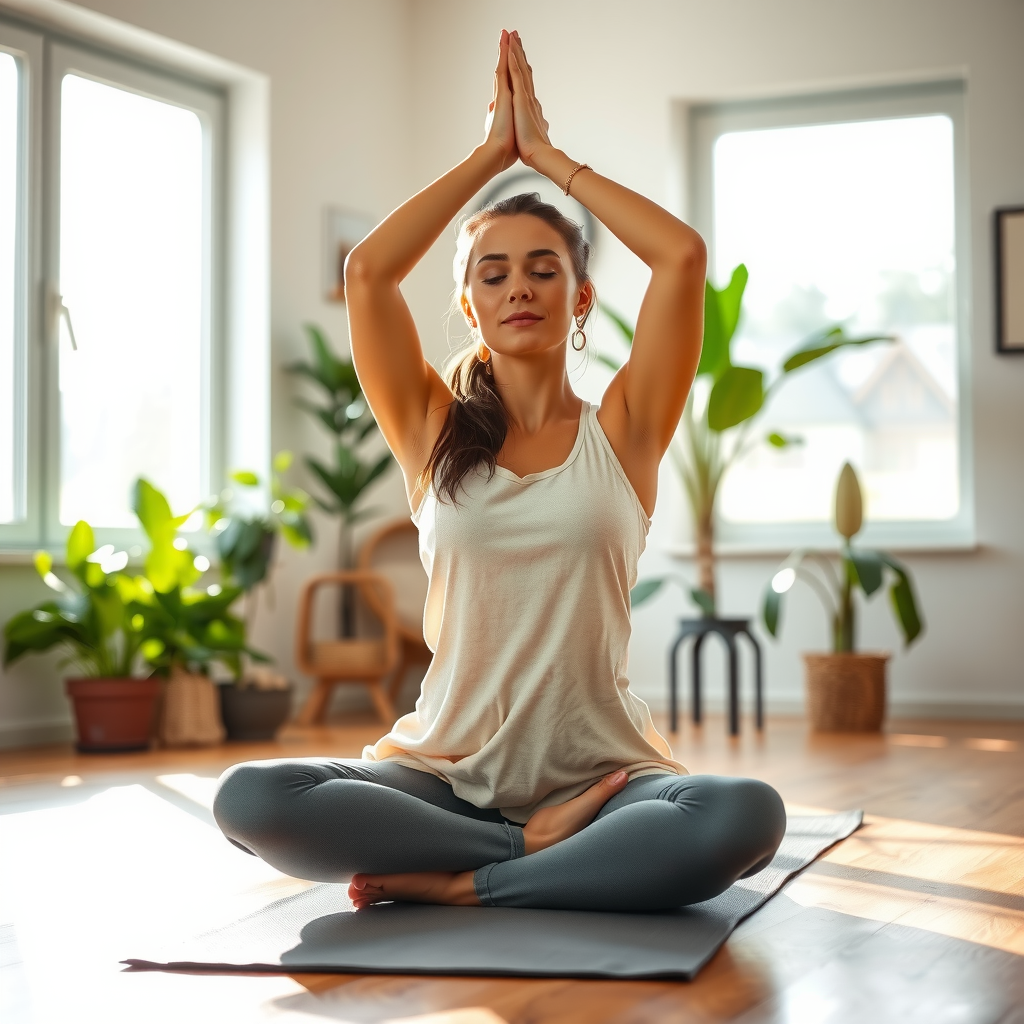
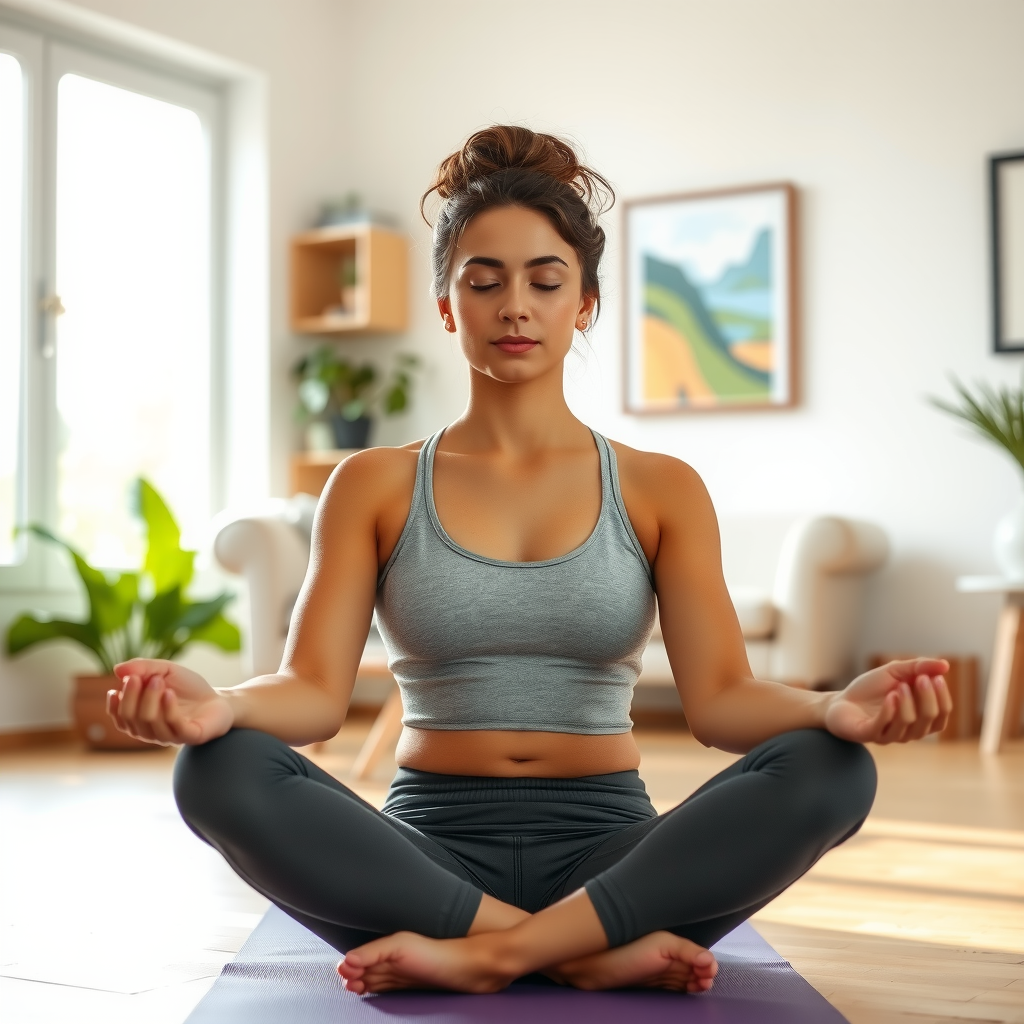
The first step in establishing a home yoga practice is creating a dedicated space that signals to your mind and body that it's time to practice. This doesn't mean you need an entire room—even a corner of your bedroom or living room can become your sanctuary with the right approach.
Finding the Right Spot
Look for a space in your home that feels naturally calming and has enough room for you to extend your arms and legs in all directions. Ideally, this area should have good natural light and ventilation, though these aren't absolute requirements. The key is consistency—using the same spot each time helps build a ritual and makes it easier to transition into practice mode.
Consider the energy of different areas in your home. A space near a window where morning light enters can be perfect for energizing morning yoga. A quieter corner away from high-traffic areas might be better for evening relaxation practices. Pay attention to how different spaces make you feel and trust your intuition.
Preparing Your Practice Area
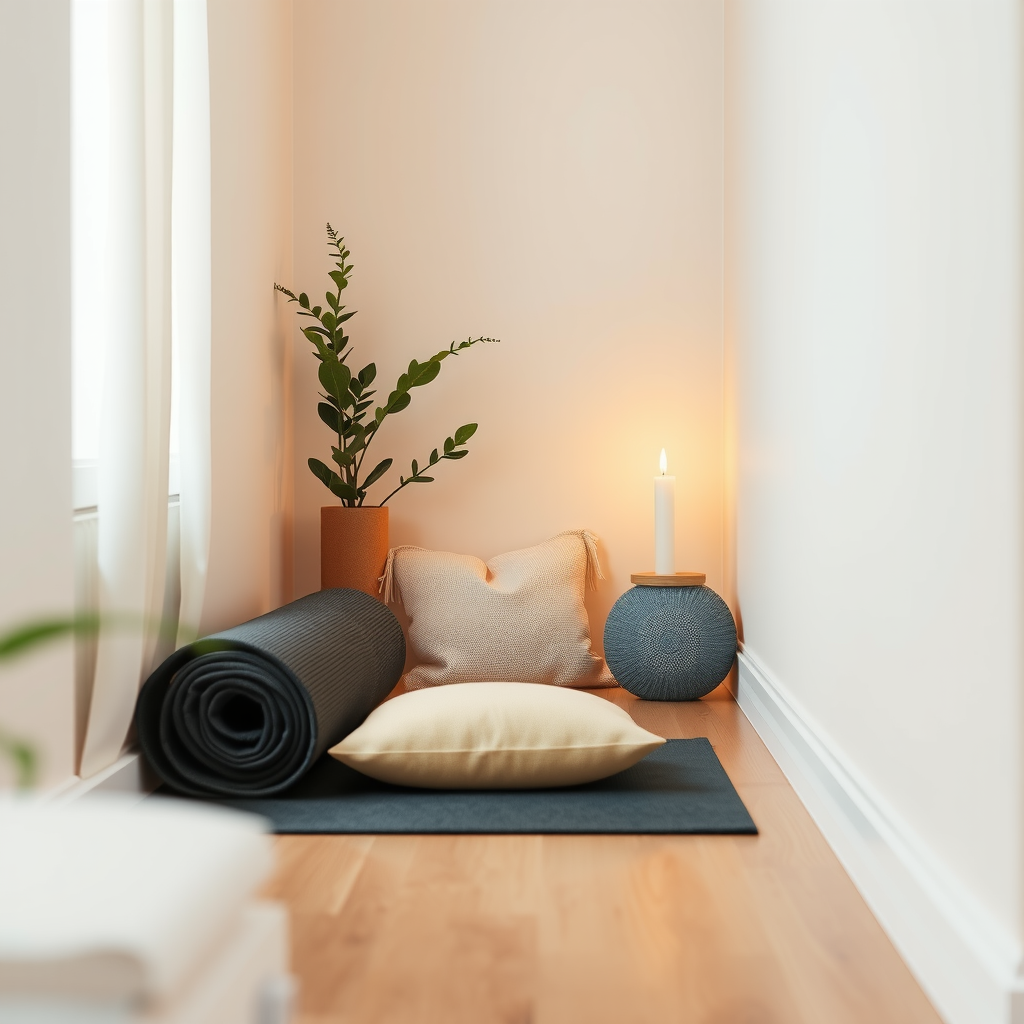
Once you've chosen your spot, take time to prepare it thoughtfully. Clear the area of clutter and distractions. If possible, keep your yoga mat rolled nearby so it's always ready. Consider adding elements that enhance the atmosphere without overwhelming the space:
- A small plant or fresh flowers to bring life and natural energy
- A candle or essential oil diffuser for aromatherapy (lavender for relaxation, citrus for energy)
- Soft, natural lighting—avoid harsh overhead lights when possible
- A small shelf or basket to store your props and keep them organized
- Perhaps a meaningful object, photo, or quote that inspires your practice
Remember, your practice space should feel inviting and personal to you. It's not about creating an Instagram-worthy setup—it's about crafting an environment that supports your practice and makes you want to return to your mat day after day.
Essential Props: What You Really Need
One of the biggest misconceptions about starting a home yoga practice is that you need a lot of expensive equipment. The truth is, you can begin with very little and gradually add props as your practice evolves and your needs become clearer.
The Absolute Essentials for Beginners
If you're just starting out, here's what you truly need to begin your home yoga practice:
Your Yoga Mat: The Foundation
A good yoga mat is your primary investment. Look for one that's at least 5mm thick for adequate cushioning, especially if you'll be practicing on hard floors. The mat should provide enough grip to prevent slipping during poses, but not be so sticky that it impedes movement. For beginners, a standard 68-inch mat works well, though taller practitioners might prefer a longer option.
Don't feel pressured to buy the most expensive mat right away. Many affordable options provide excellent quality. As you practice more, you'll develop preferences about thickness, texture, and material that will guide future purchases.
Props That Make a Real Difference
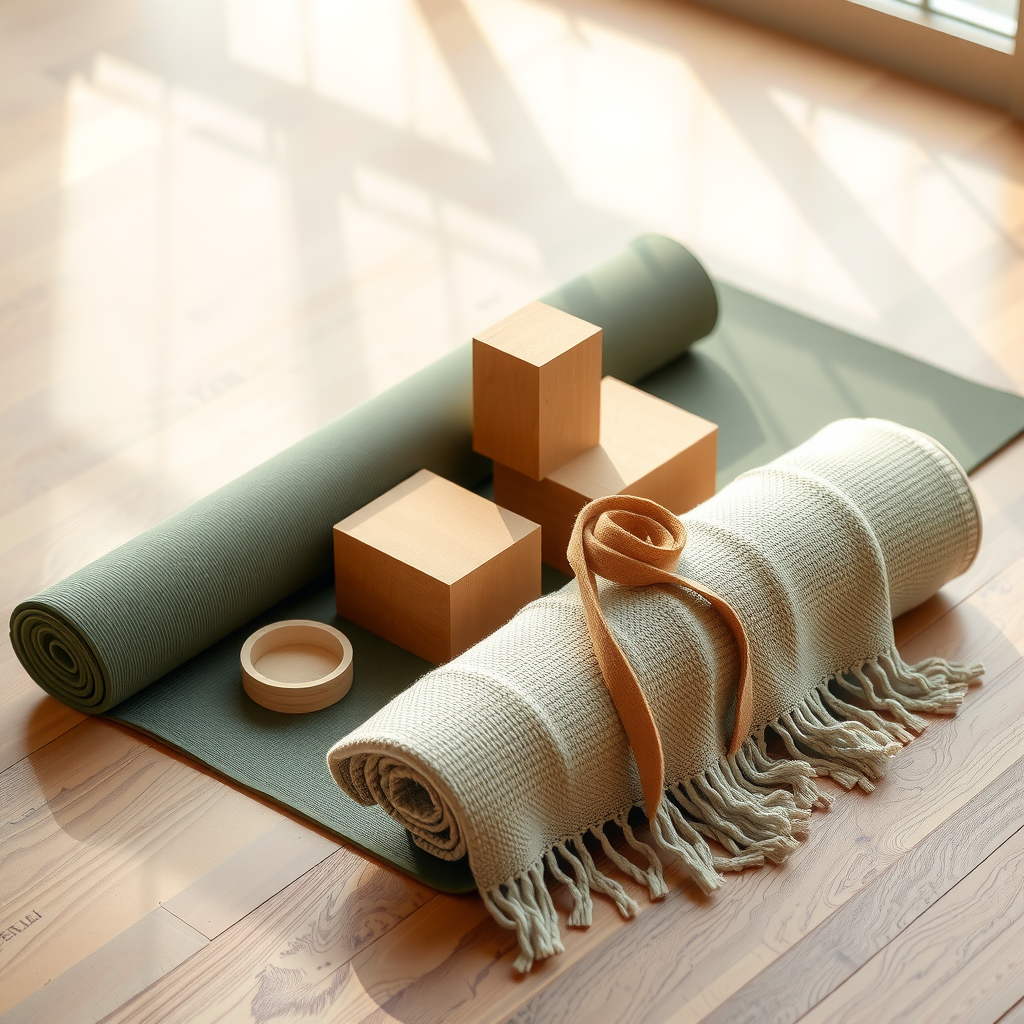
While you can practice yoga with just a mat, a few simple props can significantly enhance your practice, especially as a beginner:
Yoga Blocks (2)
Blocks are incredibly versatile and help make poses more accessible. They effectively "bring the floor closer to you" in forward folds, support your hands in standing poses, and can be used for restorative practices. Cork or foam blocks both work well—choose based on your preference for weight and texture.
Yoga Strap
A strap helps you safely deepen stretches and maintain proper alignment, especially in poses where you can't yet reach your feet or hands together. It's particularly valuable for hamstring stretches and shoulder opening exercises. A simple cotton strap with a D-ring buckle is perfect for beginners.
Bolster or Firm Cushion
While not essential for active yoga practices, a bolster becomes invaluable for restorative poses and meditation. If you're not ready to invest in a yoga bolster, a firm couch cushion or tightly rolled blanket can serve the same purpose initially.
Nice-to-Have Items
As your practice develops, you might find these additional items helpful, but they're definitely not necessary when starting out:
- Extra blankets for warmth during relaxation and to support various poses
- A meditation cushion (zafu) if you practice seated meditation regularly
- An eye pillow for deeper relaxation in savasana
- Resistance bands for strength-building practices
- A yoga wheel for advanced backbends and stretches
The key is to start simple and add props only when you identify a genuine need. Many experienced practitioners maintain minimalist practices with just a mat and perhaps one or two blocks.
Creating Rituals That Signal Practice Time
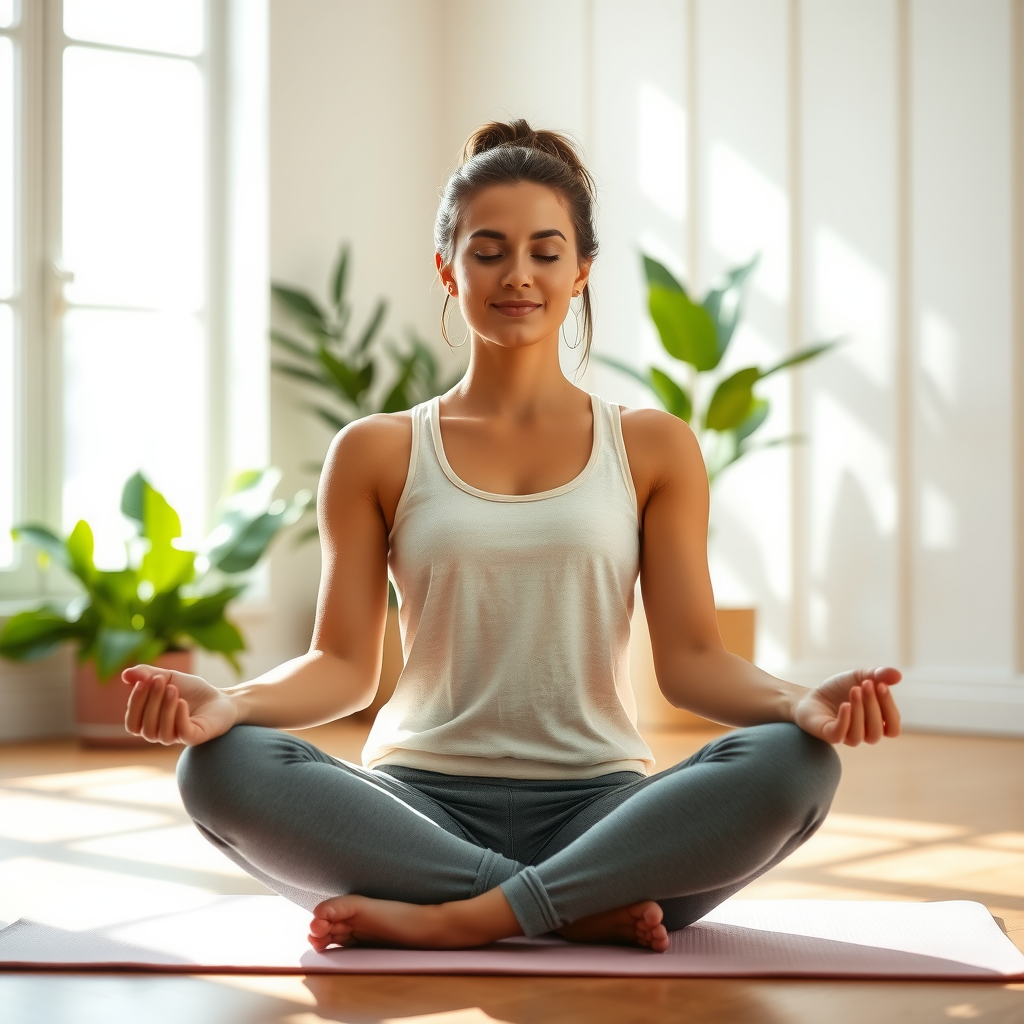
One of the most powerful ways to establish a sustainable home yoga practice is through ritual. Rituals are simple, consistent actions that signal to your mind and body that it's time to transition into practice mode. They create a psychological boundary between your daily activities and your yoga time, making it easier to focus and be present.
The Power of Pre-Practice Rituals
Your pre-practice ritual doesn't need to be elaborate or time-consuming. In fact, simpler rituals are often more sustainable. The goal is to create a consistent sequence of actions that you perform before each practice session. This consistency trains your nervous system to begin relaxing and focusing as soon as you start your ritual.
Morning Practice Rituals
- Drink a glass of warm water with lemon
- Open curtains to let in natural light
- Light a candle or incense
- Set an intention for your day
- Play gentle music or nature sounds
Evening Practice Rituals
- Dim the lights in your practice space
- Change into comfortable practice clothes
- Diffuse calming essential oils
- Turn off phone notifications
- Take three deep, conscious breaths
Building Your Personal Ritual
To create a ritual that works for you, consider what helps you transition from your busy day into a more mindful state. Your ritual might include physical actions (like rolling out your mat in a specific way), sensory elements (like lighting a particular candle), or mental practices (like setting an intention).
Start with just one or two elements and build from there. For example, you might begin by simply taking three deep breaths before stepping onto your mat. As this becomes habitual, you can add other elements. The key is consistency—performing the same ritual before each practice reinforces the neural pathways that help you shift into practice mode.
Post-Practice Integration
Don't overlook the importance of how you end your practice. A closing ritual helps you integrate the benefits of your practice and transition back into your daily life with intention. This might include:
- Taking a moment in savasana to notice how you feel
- Journaling briefly about your practice experience
- Expressing gratitude for your body and the time you took for yourself
- Mindfully rolling up your mat and tidying your space
- Drinking water and perhaps preparing a nourishing snack
These closing rituals help cement the positive effects of your practice and create a sense of completion that makes it easier to return to your mat the next day.
Overcoming Common Obstacles
Every practitioner faces obstacles when establishing a home yoga practice. Understanding these challenges and having strategies to address them is crucial for building a sustainable practice that lasts beyond the initial enthusiasm.
The Motivation Challenge
Perhaps the most common obstacle is simply finding the motivation to practice, especially on days when you're tired, busy, or not feeling your best. The key is to reframe how you think about motivation. Rather than waiting to feel motivated, understand that motivation often comes after you start, not before.
Strategies for Building Motivation
Try these approaches when motivation is low:
- Commit to just five minutes—you can always continue if you feel like it
- Choose a practice that matches your energy level (gentle stretching when tired, more active when energized)
- Remember your "why"—reconnect with the reasons you started practicing
- Track your practice in a journal to see your consistency build over time
- Practice at the same time each day to build a habit that requires less willpower
The Time Constraint Reality
Many people believe they need 60-90 minutes for a "real" yoga practice. This misconception prevents them from practicing at all. The truth is that even 10-15 minutes of mindful movement and breathing can provide significant benefits. It's far better to practice for 15 minutes daily than to wait for the perfect hour-long window that never comes.
Consider these time-efficient approaches:
- Morning practice: 10 minutes of sun salutations and breathing exercises before breakfast
- Lunch break: 15 minutes of gentle stretching to counteract sitting
- Evening wind-down: 20 minutes of restorative poses before bed
- Weekend longer practice: 45-60 minutes when you have more time
The goal is to make yoga a non-negotiable part of your daily routine, like brushing your teeth. When you stop viewing it as something that requires a large time commitment, it becomes much easier to maintain consistency.
Dealing with Distractions
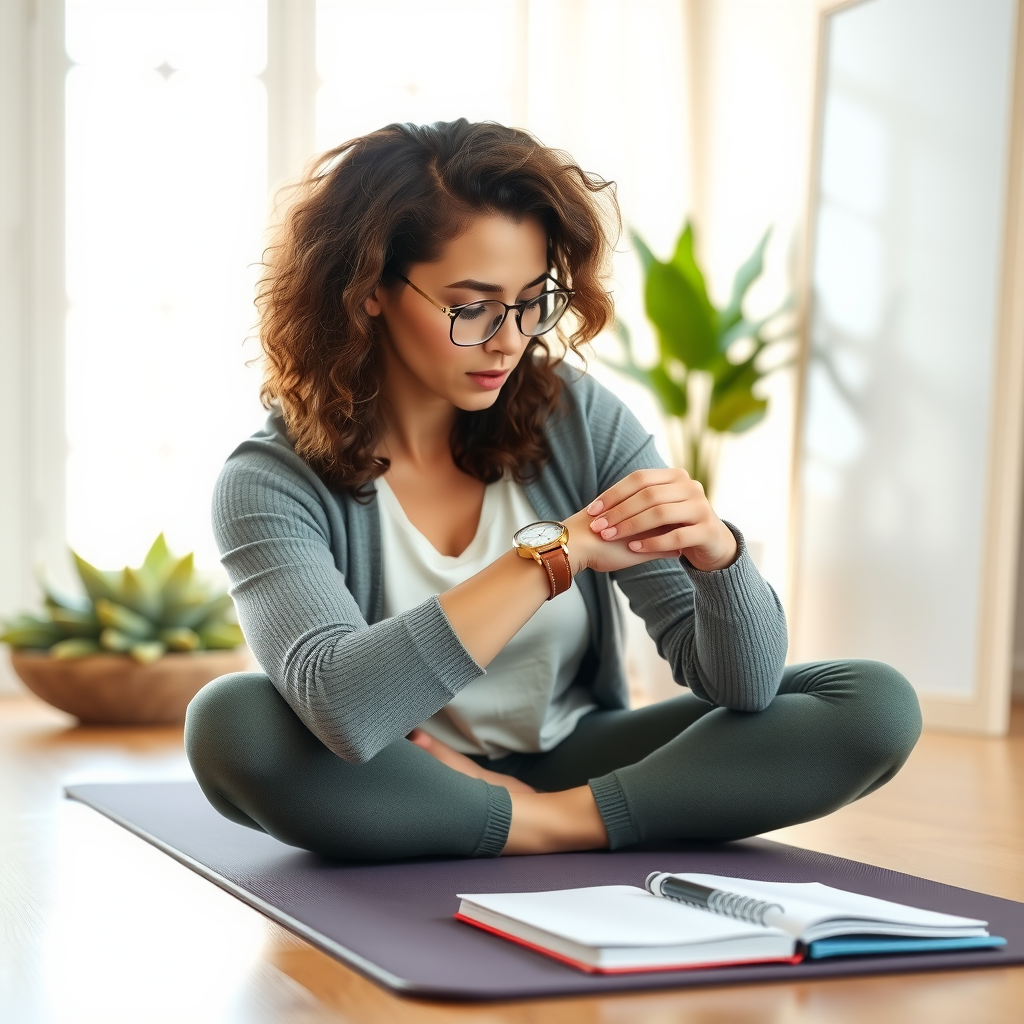
Home practice comes with unique distractions—family members, pets, phone notifications, household chores calling your name. Learning to manage these distractions is essential for maintaining focus during your practice.
Creating Boundaries
Communicate with family members or roommates about your practice time. Let them know this is your dedicated self-care time and ask them to respect it unless there's an emergency. If you have young children, consider practicing during nap time or before they wake up. Some parents involve their children in gentle stretching, making it a family activity.
Managing Technology
Put your phone on airplane mode or leave it in another room. If you're using your phone for guided practice videos or music, turn off all notifications first. Consider using a dedicated device for yoga practice if possible, keeping your phone completely separate from your practice space.
Working with Physical Limitations
Many people avoid home practice because they worry about doing poses incorrectly or aggravating existing injuries. While it's important to practice safely, don't let perfectionism prevent you from practicing at all.
Start with gentle, basic poses and movements that feel good in your body. Listen to your body's signals—discomfort is okay, but pain is a sign to back off. If you have specific injuries or conditions, consult with a healthcare provider or experienced yoga teacher about modifications before starting your home practice.
Remember that yoga is not about achieving perfect poses—it's about connecting with your body, breath, and inner self. Your practice is perfect exactly as it is, even if it looks different from what you see in photos or videos.
Building a Practice That Fits Your Lifestyle
The most sustainable yoga practice is one that adapts to your life rather than requiring you to completely restructure your schedule. This means being flexible, creative, and realistic about what you can maintain long-term.
Matching Practice to Your Energy Cycles
Pay attention to your natural energy patterns throughout the day and week. Are you most energized in the morning or evening? Do you need more gentle, restorative practices during certain times of your menstrual cycle? Does your energy vary with the seasons?
Design your practice around these natural rhythms rather than fighting against them. For example:
High Energy Times
Practice more dynamic, strength-building sequences. Include sun salutations, standing poses, and balance work. This is the time for challenging yourself and building heat.
Low Energy Times
Focus on gentle stretching, restorative poses, and breathing exercises. Honor your body's need for rest and recovery. Yin yoga and meditation are perfect for these periods.

Creating a Flexible Practice Framework
Rather than following the same routine every day, develop a flexible framework that allows you to adapt your practice to your current needs. This might look like:
- Always start with breath awareness - Take 2-3 minutes to simply notice your breath and check in with how you're feeling
- Choose your practice type - Based on your energy and time available, select from energizing, balancing, or calming practices
- Include key elements - Ensure each practice includes some movement, stretching, and conscious breathing
- End with integration - Always take at least 2-3 minutes for savasana or seated meditation
Seasonal Adjustments
Your practice can and should evolve with the seasons. In winter, you might naturally gravitate toward warming, grounding practices. Summer might call for more cooling, fluid movements. Spring could inspire energizing, detoxifying sequences, while autumn might draw you toward more introspective, balancing practices.
This seasonal approach keeps your practice fresh and interesting while honoring the natural cycles of the year. It also helps you stay connected to the rhythms of nature, even when practicing indoors.
Integrating Yoga Philosophy Beyond the Mat
A truly sustainable home yoga practice extends beyond the physical poses. Consider how you can integrate yoga principles into your daily life:
- Practice mindful breathing during stressful moments throughout your day
- Apply the principle of ahimsa (non-harming) in how you speak to yourself
- Use moments of waiting (in line, in traffic) as opportunities for brief body scans or breath awareness
- Bring the focus and presence you cultivate on your mat into everyday activities like eating, walking, or listening to others
When yoga becomes a way of being rather than just something you do, your practice naturally becomes more sustainable because it's woven into the fabric of your life.
Measuring Progress and Celebrating Growth
In a home practice without a teacher's feedback, it's important to develop your own ways of recognizing progress and growth. However, progress in yoga isn't always linear or obvious—it's often subtle and internal.
Beyond Physical Achievement
While it's natural to notice physical changes—increased flexibility, strength, or balance—the most profound benefits of a home yoga practice often show up in less obvious ways:
Signs Your Practice is Working
- You feel calmer and more centered throughout your day
- You're more aware of your breath and can use it to manage stress
- You notice tension in your body earlier and know how to release it
- You're more patient and compassionate with yourself and others
- You sleep better and wake feeling more refreshed
- You have more energy and mental clarity
- You feel more connected to your body and its needs
Keeping a Practice Journal
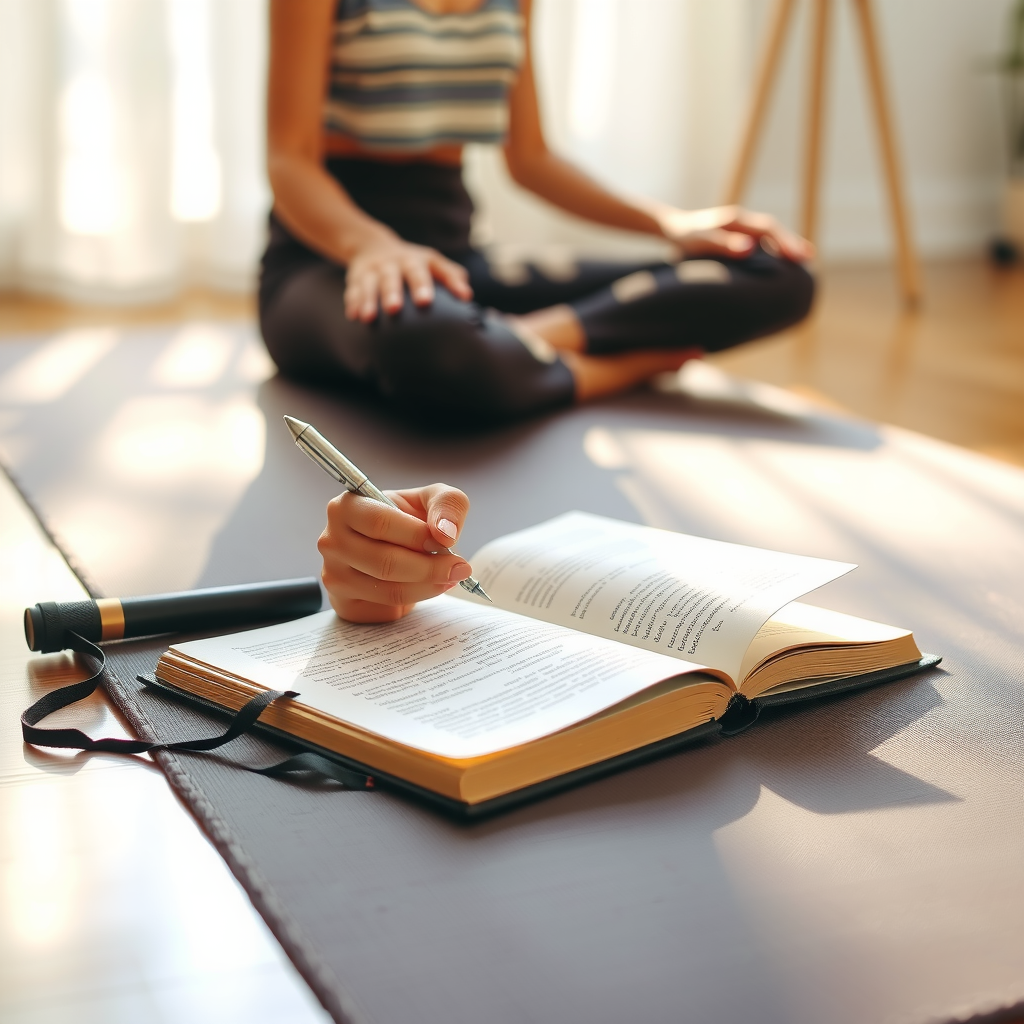
Consider keeping a simple practice journal where you note not just what you practiced, but how you felt before and after. Over time, you'll see patterns emerge and recognize the cumulative benefits of your consistent practice. Your journal doesn't need to be elaborate—even brief notes like "10 min morning practice, felt anxious before, calm after" provide valuable feedback.
Review your journal monthly to celebrate your consistency and notice how your practice has evolved. This reflection helps you stay motivated and reminds you of why you practice, especially during challenging periods.
Celebrating Small Wins
Acknowledge and celebrate your commitment to showing up on your mat, regardless of how long you practice or what poses you do. Every time you choose to practice, you're investing in your well-being and honoring your commitment to yourself. That's worth celebrating.
Set realistic milestones that focus on consistency rather than achievement. For example, celebrate practicing five days in a row, or completing a full month of daily practice, rather than achieving a particular pose. These consistency-based goals are more sustainable and meaningful in the long run.
Your Journey Begins Now
Remember, the perfect time to start your home yoga practice is now—not when you have more time, more space, or more equipment. Start where you are, with what you have, and trust that your practice will evolve naturally as you show up consistently with patience and self-compassion.
Final Thoughts: Embracing the Journey
Creating a sustainable home yoga practice is a journey of self-discovery and self-care. There will be days when practice feels effortless and joyful, and days when it feels like a struggle just to unroll your mat. Both experiences are valuable and part of the process.
The beauty of a home practice is that it's entirely yours. You're not performing for anyone or trying to keep up with others. You're simply showing up for yourself, honoring your body, and cultivating presence in your life. This is the essence of yoga—not perfect poses or impressive flexibility, but the practice of returning to yourself with kindness and awareness, again and again.
As you establish your home practice, be patient with yourself. It takes time to build new habits and find what works for you. Some days your practice might be 45 minutes of flowing movement; other days it might be five minutes of gentle stretching and breathing. Both are equally valid and valuable.
Trust that by showing up consistently, even in small ways, you're creating positive change in your life. Your practice is a gift you give yourself—a daily reminder that you're worth the time and attention, that your well-being matters, and that you have the power to create moments of peace and presence in your life, no matter how busy or chaotic things may feel.
May your home practice be a source of strength, peace, and joy. May it support you through life's challenges and celebrate with you in moments of happiness. And may you always remember that the most important step is simply showing up—everything else will unfold naturally from there.
Welcome to your practice. Welcome home.