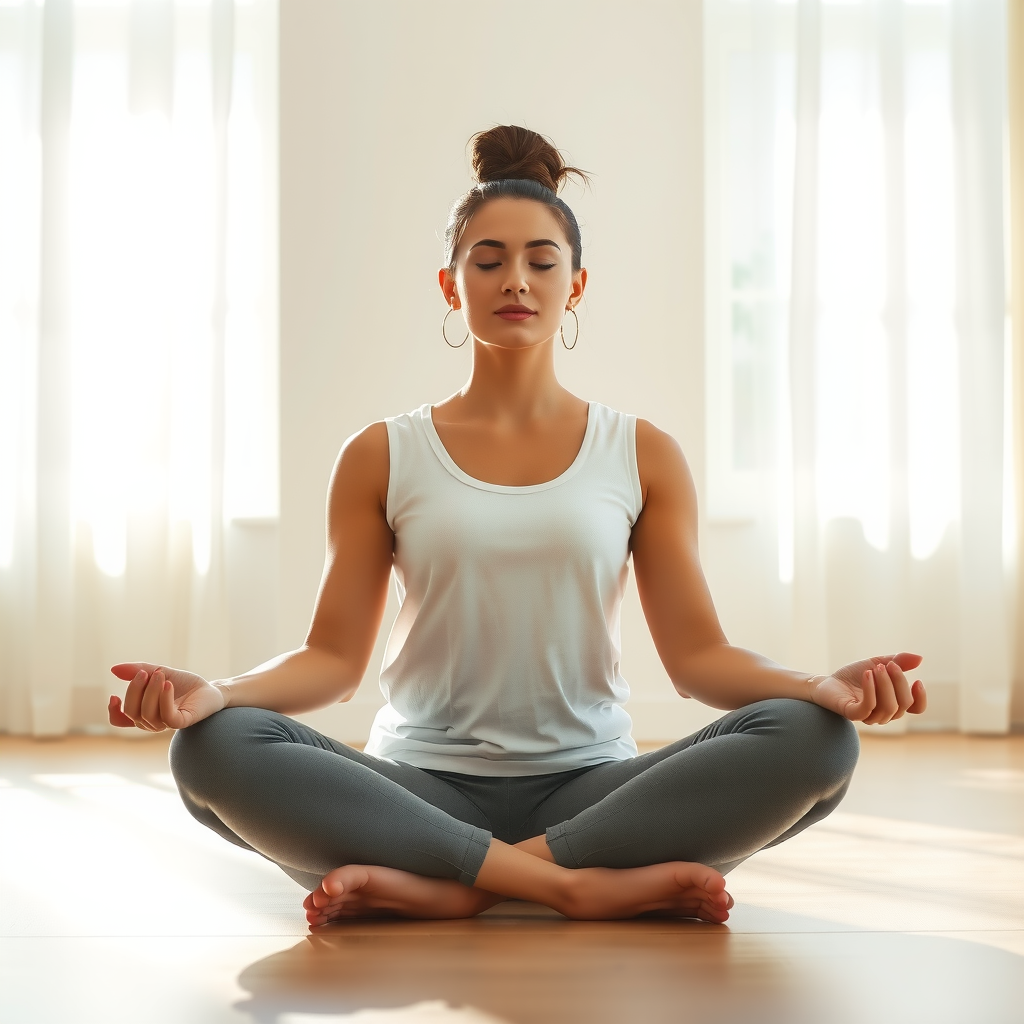
In our fast-paced modern world, stress and anxiety have become unwelcome companions in daily life. Your heart races during a difficult meeting, your mind spirals with worry at 2 AM, or tension builds in your shoulders as deadlines loom. But what if the solution to finding calm was as simple as the breath you're taking right now?
Pranayama, the ancient yogic practice of breath control, offers powerful techniques that can shift your nervous system from fight-or-flight mode to rest-and-digest in just minutes. These aren't just relaxation exercises—they're scientifically-backed methods that can measurably reduce cortisol levels, lower blood pressure, and rewire your stress response over time.
Whether you're new to breathwork or looking to deepen your practice, this comprehensive guide will walk you through five transformative pranayama techniques, complete with step-by-step instructions, scientific explanations, and practical tips for weaving them into your busiest days.
Understanding the Science: How Breathwork Affects Your Nervous System
Before diving into specific techniques, it's essential to understand why breathing exercises are so effective at managing stress. Your breath is the only part of your autonomic nervous system that you can consciously control, making it a powerful bridge between your conscious mind and your body's automatic stress responses.

The Autonomic Nervous System: Your Body's Stress Control Center
Your autonomic nervous system has two main branches: the sympathetic nervous system (your "fight or flight" response) and the parasympathetic nervous system (your "rest and digest" mode). When you're stressed, your sympathetic system dominates—your heart rate increases, breathing becomes shallow and rapid, and stress hormones flood your bloodstream.
Controlled breathing activates your parasympathetic nervous system through the vagus nerve, which runs from your brainstem through your chest and abdomen. When you breathe slowly and deeply, you stimulate this nerve, sending signals to your brain that it's safe to relax. This triggers a cascade of physiological changes:
- Heart rate slows and becomes more variable (a sign of nervous system flexibility)
- Blood pressure decreases as blood vessels dilate
- Cortisol and adrenaline levels drop
- Digestive function improves as blood flow returns to your core
- Muscle tension releases throughout your body
- Brain wave patterns shift toward calmer alpha and theta states
Research Insight: A 2018 study published in Frontiers in Psychology found that just 20 minutes of daily pranayama practice for 12 weeks significantly reduced perceived stress levels and improved heart rate variability—a key marker of stress resilience and overall health.
The Breath-Mind Connection
Your breathing pattern and your emotional state are intimately connected. Notice how your breath becomes shallow and rapid when you're anxious, or how you might hold your breath when concentrating intensely. This connection works both ways—by consciously changing your breathing pattern, you can directly influence your emotional state.
Different breathing techniques activate different parts of your nervous system. Fast, energizing breaths can increase alertness and energy, while slow, deep breaths promote relaxation and calm. The five techniques you'll learn in this guide are specifically designed to activate your parasympathetic nervous system and create a state of calm alertness.
Technique #1: Box Breathing (Sama Vritti) — The Foundation of Calm
What It Is
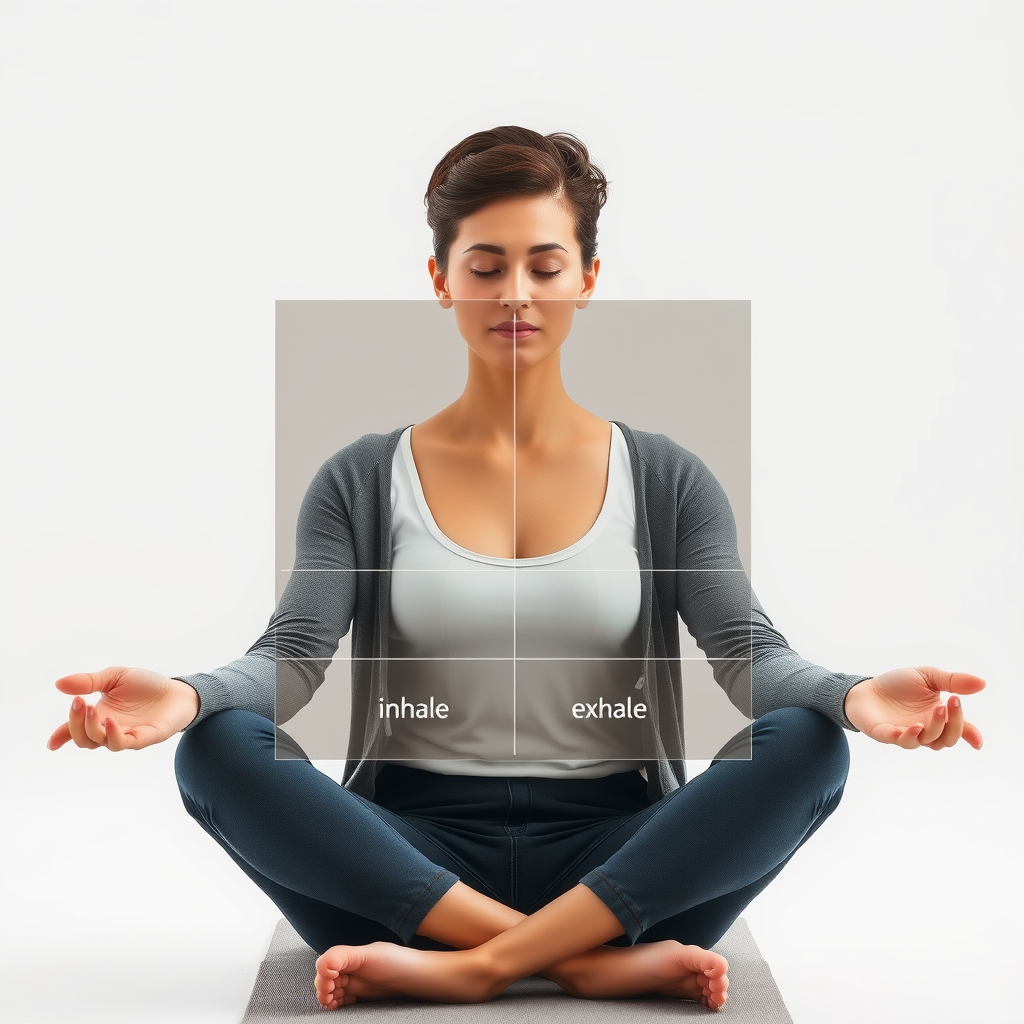
Box breathing, also known as square breathing or Sama Vritti (equal breathing), is a simple yet powerful technique that involves breathing in equal counts for each phase of the breath cycle. Imagine tracing the sides of a square as you breathe—each side represents one phase of equal length.
Step-by-Step Instructions
- Find a comfortable seated position with your spine straight but not rigid. You can sit on a chair with feet flat on the floor or cross-legged on a cushion.
- Close your eyes or soften your gaze downward. Place one hand on your chest and one on your belly to feel your breath.
- Exhale completely through your nose, emptying your lungs fully.
- Inhale slowly through your nose for a count of 4, feeling your belly expand first, then your chest.
- Hold your breath gently for a count of 4. Don't strain—this should feel comfortable.
- Exhale slowly through your nose for a count of 4, feeling your chest deflate first, then your belly.
- Hold your breath out for a count of 4, keeping your body relaxed.
- Repeat this cycle for 5-10 minutes, or until you feel noticeably calmer.
Why It Works
Box breathing creates a rhythmic pattern that gives your mind something to focus on, interrupting anxious thought patterns. The equal timing of each phase creates balance in your nervous system, while the breath holds increase carbon dioxide levels slightly, which paradoxically helps your body use oxygen more efficiently and promotes a sense of calm.
Best Used For
- Acute stress or anxiety moments
- Before important meetings or presentations
- When you feel overwhelmed and need to reset
- As a pre-sleep routine to quiet racing thoughts
- During work breaks to refresh mental clarity
Technique #2: Alternate Nostril Breathing (Nadi Shodhana) — Balancing Body and Mind
What It Is
Nadi Shodhana, or alternate nostril breathing, is a classic pranayama technique that involves breathing through one nostril at a time in an alternating pattern. "Nadi" means channel and "Shodhana" means purification—this practice is believed to purify the energy channels in your body while balancing the left and right hemispheres of your brain.
Step-by-Step Instructions
- Sit comfortably with your spine erect. Rest your left hand on your left knee, palm facing up.
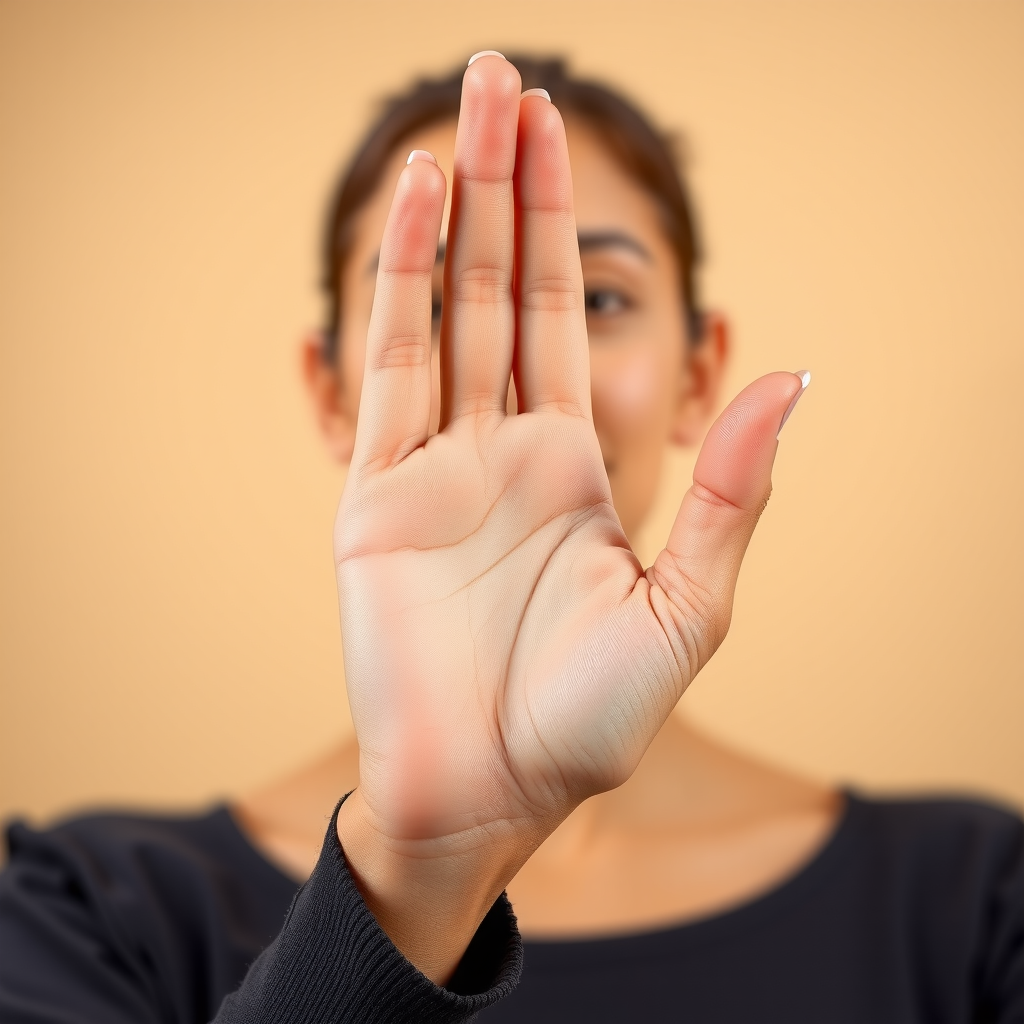
- Bring your right hand to your face. Fold your index and middle fingers toward your palm (Vishnu Mudra), leaving your thumb, ring finger, and pinky extended.
- Close your right nostril with your right thumb and exhale completely through your left nostril.
- Inhale slowly and deeply through your left nostril for a count of 4.
- Close your left nostril with your ring finger, release your thumb, and exhale through your right nostril for a count of 4.
- Keeping your left nostril closed, inhale through your right nostril for a count of 4.
- Close your right nostril with your thumb, release your ring finger, and exhale through your left nostril for a count of 4.
- This completes one full cycle. Continue for 5-10 minutes, always ending with an exhalation through your left nostril.
Why It Works
Research suggests that each nostril is connected to opposite hemispheres of the brain. Your right nostril is linked to your left brain (logical, analytical) and your sympathetic nervous system, while your left nostril connects to your right brain (creative, intuitive) and your parasympathetic nervous system. By alternating between nostrils, you create balance between these systems, promoting mental clarity and emotional equilibrium.
Best Used For
- Mental fog or difficulty concentrating
- Emotional imbalance or mood swings
- Preparing for meditation or yoga practice
- Midday energy slumps without the jitters of caffeine
- Insomnia or difficulty falling asleep
Technique #3: The 4-7-8 Breath — Your Natural Tranquilizer
What It Is
Developed by Dr. Andrew Weil and based on ancient pranayama principles, the 4-7-8 breath is often called a "natural tranquilizer for the nervous system." This technique uses specific timing ratios to maximize the calming effect on your body and mind.
Step-by-Step Instructions
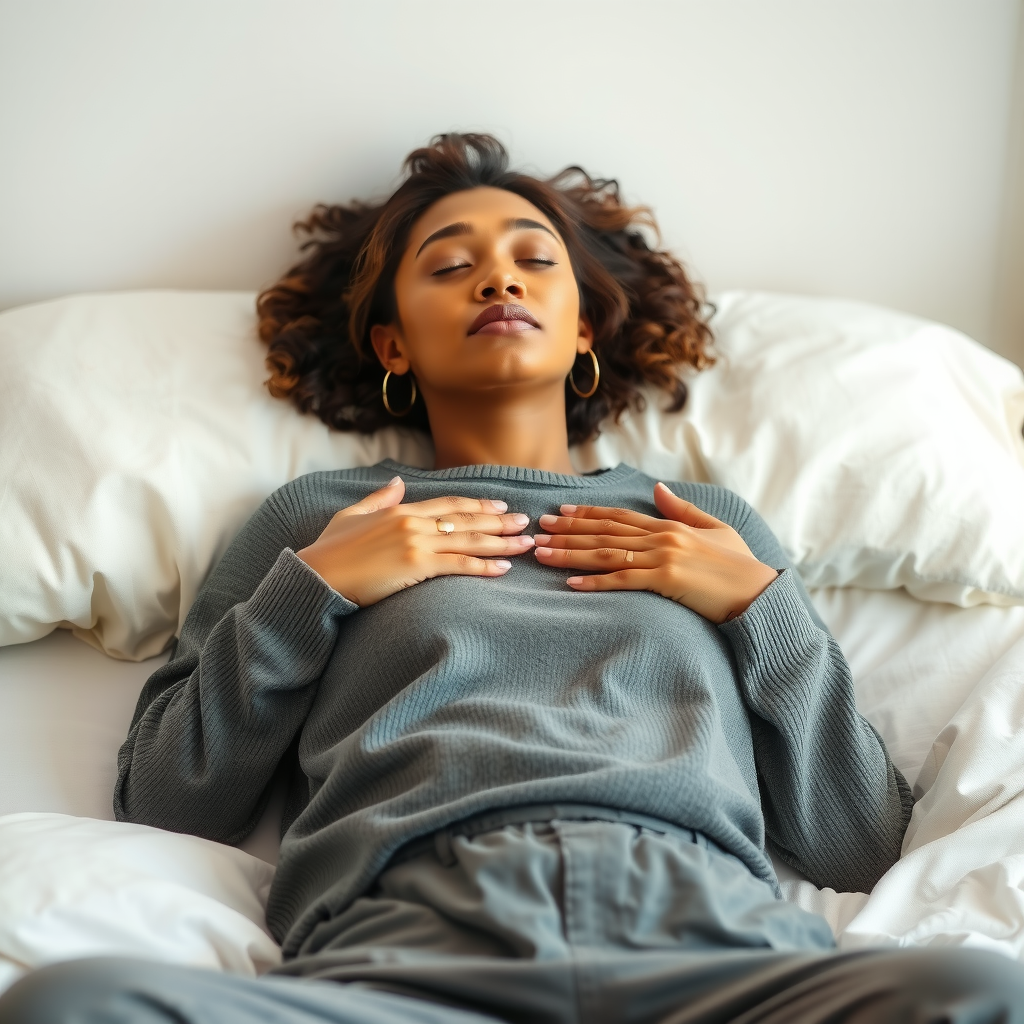
- Sit or lie down in a comfortable position. If sitting, keep your back straight and shoulders relaxed.
- Place the tip of your tongue against the ridge of tissue behind your upper front teeth. Keep it there throughout the practice.
- Exhale completely through your mouth, making a whooshing sound.
- Close your mouth and inhale quietly through your nose for a mental count of 4.
- Hold your breath for a count of 7.
- Exhale completely through your mouth, making a whooshing sound, for a count of 8.
- This completes one cycle. Repeat for 4 cycles initially, gradually building up to 8 cycles as you become more comfortable.
Why It Works
The extended exhalation (8 counts) compared to the inhalation (4 counts) is key to this technique's effectiveness. Long exhalations activate your parasympathetic nervous system more strongly than any other breathing pattern. The breath hold (7 counts) allows oxygen to fully saturate your bloodstream and increases carbon dioxide levels, which triggers a relaxation response. The specific ratio creates a powerful shift in your nervous system state.
Best Used For
- Falling asleep quickly (many people fall asleep before completing 4 cycles)
- Managing anger or frustration in the moment
- Reducing anxiety before stressful events
- Calming panic attacks or acute anxiety
- Lowering blood pressure naturally
Pro Tip: If the 4-7-8 count feels too long initially, you can start with a 2-3.5-4 ratio and gradually work up to the full count as your lung capacity improves. The ratio is more important than the specific numbers.
Technique #4: Ujjayi Breath (Ocean Breath) — The Anchor of Presence
What It Is
Ujjayi, meaning "victorious breath," is a breathing technique that creates a soft, ocean-like sound in the back of your throat. Often used during yoga practice, this breath creates internal heat and helps maintain focus and presence.
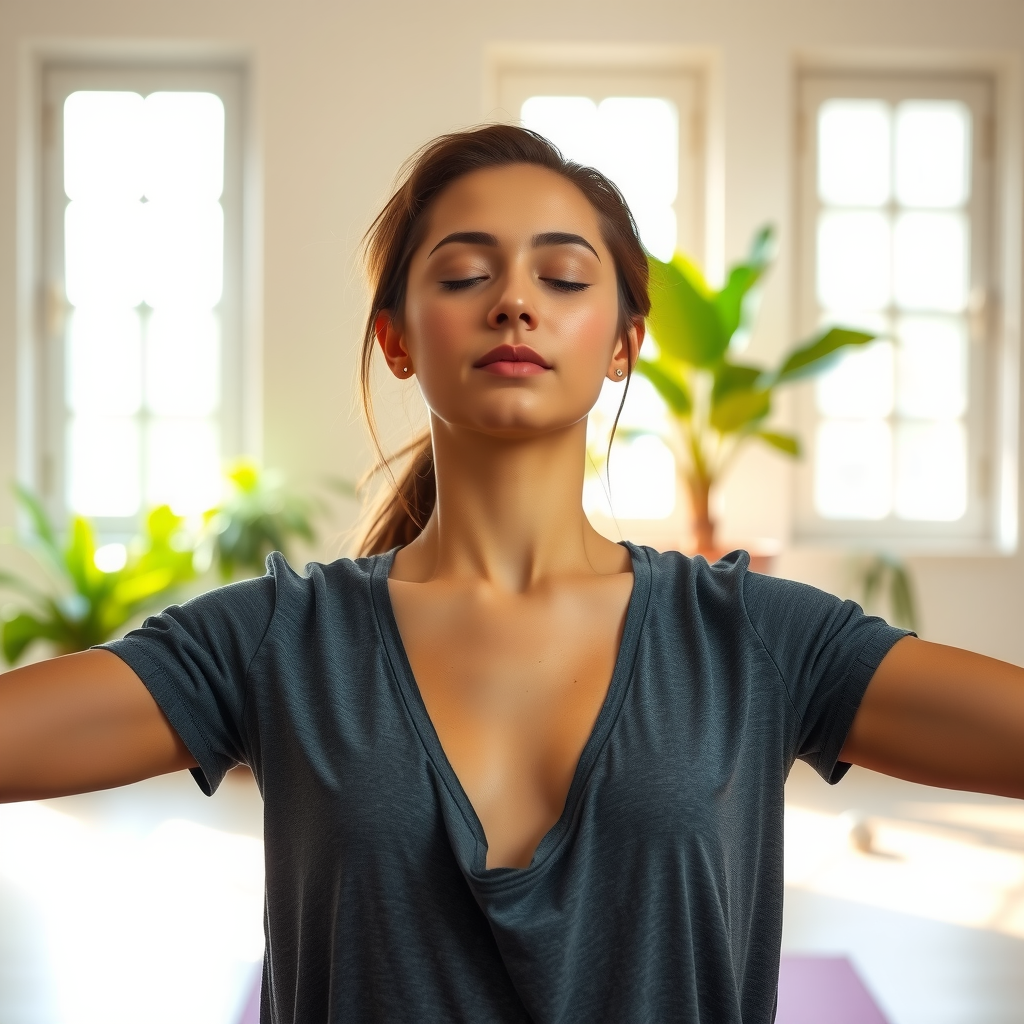
Step-by-Step Instructions
- Sit comfortably or practice during gentle yoga poses. Keep your mouth closed throughout.
- To learn the sound, open your mouth and exhale with a "haaa" sound, as if fogging a mirror.
- Now close your mouth and make the same sound, but with your lips sealed. You should hear a soft, ocean-like sound in the back of your throat.
- Inhale through your nose while slightly constricting the back of your throat, creating the same oceanic sound on the inhale.
- Exhale through your nose with the same throat constriction, maintaining the sound.
- Keep your breath smooth, steady, and even. Each inhale and exhale should be the same length, typically 4-6 counts.
- Practice for 5-15 minutes, or use it throughout your yoga practice.
Why It Works
The slight constriction in your throat slows down your breath naturally, which activates your parasympathetic nervous system. The audible sound gives your mind something to focus on, acting as a form of moving meditation. The internal heat generated by this breath helps release physical tension, while the rhythmic sound creates a meditative state that quiets mental chatter.
Best Used For
- During yoga practice to maintain focus and presence
- Building internal heat and energy on cold days
- Maintaining calm during challenging physical activities
- Creating a meditative state during movement
- Improving concentration during tasks requiring sustained attention
Technique #5: Bhramari (Bee Breath) — The Instant Anxiety Soother
What It Is
Bhramari pranayama, named after the black Indian bee, involves making a humming sound during exhalation. This simple yet profoundly calming technique is one of the most effective practices for immediately reducing anxiety and quieting a busy mind.

Step-by-Step Instructions
- Sit comfortably with your spine straight. Close your eyes to turn your attention inward.
- Place your index fingers gently on the cartilage between your cheek and ear (the tragus). You can also place your thumbs on your tragus and rest your other fingers on your forehead.
- Take a deep breath in through your nose.
- As you exhale, gently press the cartilage and make a high-pitched humming sound, like a bee. Keep your mouth closed.
- Focus on the vibration of the sound in your head. You can vary the pitch to find what feels most soothing.
- Inhale deeply again and repeat. Continue for 5-10 rounds, or until you feel significantly calmer.
Why It Works
The vibrations created by humming stimulate your vagus nerve, which runs through your throat and is a key player in activating your parasympathetic nervous system. The sound also blocks out external distractions, creating an immediate sense of calm and turning your attention inward. Research has shown that Bhramari can reduce heart rate and blood pressure within minutes, while also lowering stress hormone levels.
Best Used For
- Acute anxiety or panic attacks
- Racing thoughts or mental overwhelm
- Anger management and emotional regulation
- Headaches and tension in the head and face
- Preparing for sleep when your mind won't quiet
- Creating instant calm in stressful environments
Variation: If you're in a public space and can't make the humming sound aloud, you can practice a silent version by imagining the sound and feeling the subtle vibration in your throat. While less powerful, it still provides calming benefits.
The Science Behind Breathwork: What Research Tells Us
Evidence-Based Benefits of Pranayama
While pranayama has been practiced for thousands of years, modern science is now validating what yogis have known all along. Here's what recent research reveals about the measurable benefits of regular breathwork practice:
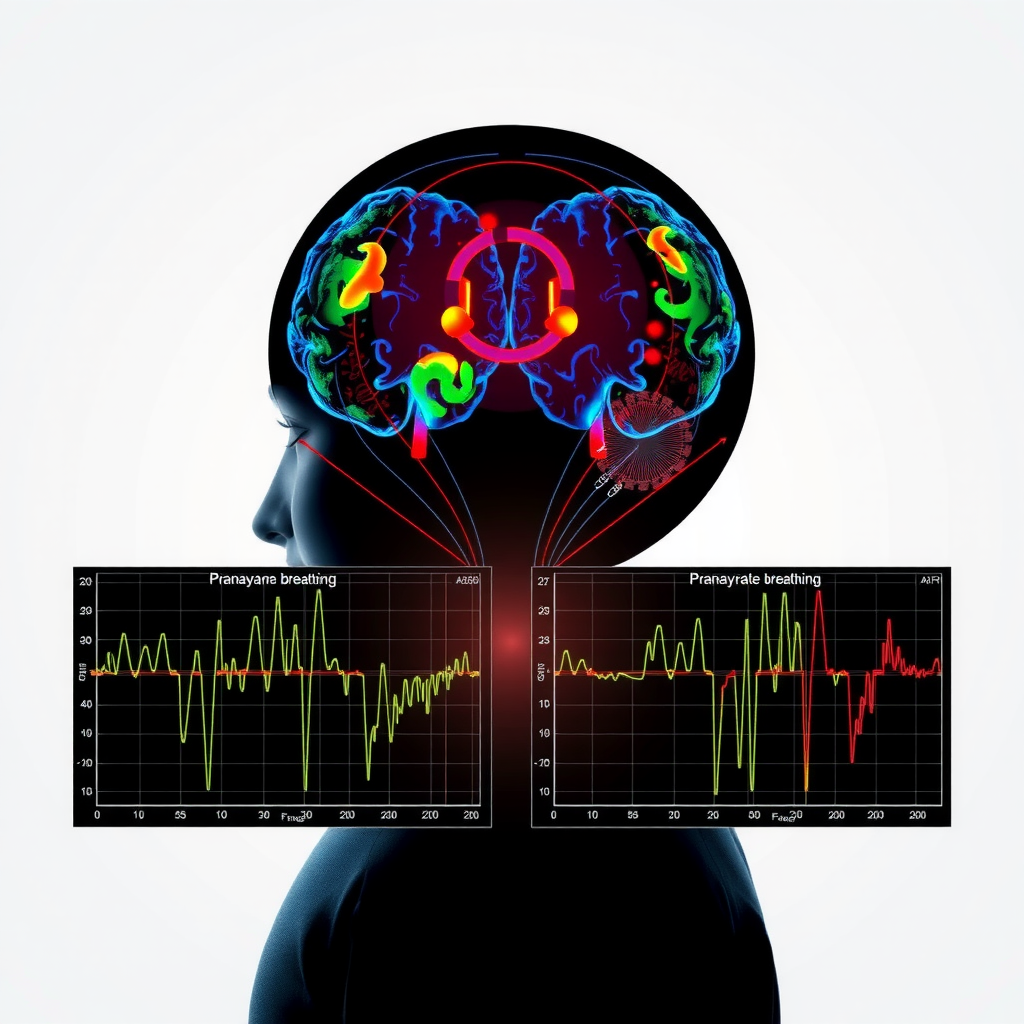
Stress and Anxiety Reduction
A comprehensive 2020 meta-analysis published in the International Journal of Yoga examined 12 studies on pranayama and stress. The results showed that regular pranayama practice significantly reduced perceived stress levels, with effects comparable to some pharmaceutical interventions but without side effects.
Improved Heart Rate Variability
Heart rate variability (HRV) is a key indicator of nervous system health and stress resilience. Higher HRV means your body can adapt more flexibly to stress. Multiple studies have shown that pranayama practice increases HRV, indicating improved stress resilience and cardiovascular health.
Reduced Cortisol Levels
Research published in the Journal of Alternative and Complementary Medicine found that participants who practiced pranayama for 12 weeks showed significant reductions in salivary cortisol levels—the primary stress hormone. Lower cortisol is associated with reduced anxiety, better sleep, and improved immune function.
Enhanced Cognitive Function
Studies have demonstrated that pranayama practice improves attention, memory, and executive function. A 2019 study found that just 20 minutes of alternate nostril breathing improved reaction time and accuracy on cognitive tests, suggesting enhanced brain function.
Better Sleep Quality
Research on the 4-7-8 breathing technique and other pranayama practices has shown significant improvements in sleep quality, reduced time to fall asleep, and fewer nighttime awakenings. The calming effect on the nervous system creates ideal conditions for restorative sleep.
Practical Tips: Incorporating Breathwork Into Your Daily Life
Understanding these techniques is one thing—making them a consistent part of your life is another. Here are practical strategies for weaving pranayama into even the busiest schedule:
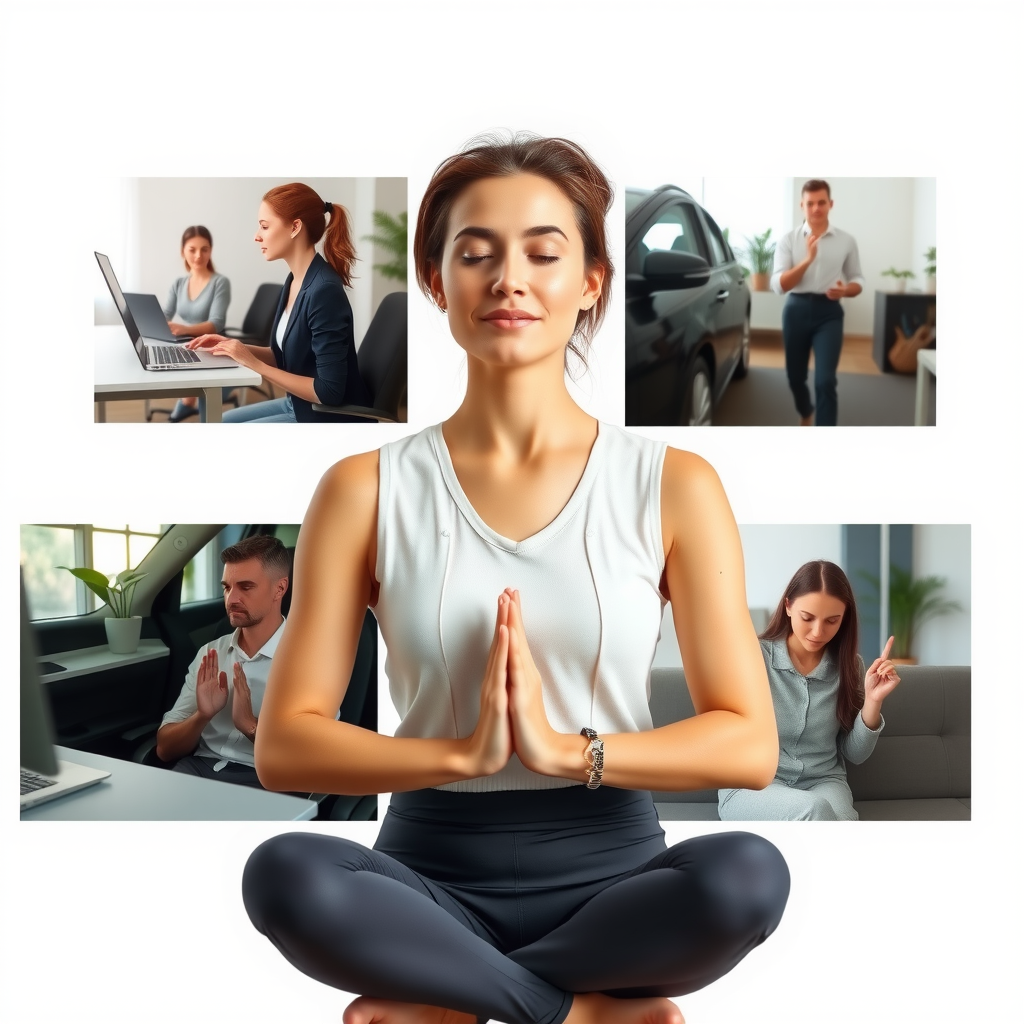
Create Breathing Anchors Throughout Your Day
Rather than trying to find extra time for breathwork, attach breathing practices to activities you already do. This technique, called "habit stacking," makes it much easier to maintain consistency:
Morning Coffee Ritual
While your coffee brews, practice 5 rounds of alternate nostril breathing to set a calm tone for your day.
Commute Transition
Before starting your car or entering your home, do 3 rounds of box breathing to transition between work and personal life.
Work Break Reset
Set a timer for every 90 minutes and practice 2 minutes of Ujjayi breath to refresh your focus and release tension.
Bedtime Wind-Down
Practice 4 cycles of 4-7-8 breathing after getting into bed to signal your body it's time for sleep.
Start Small and Build Gradually
One of the biggest mistakes people make with breathwork is trying to do too much too soon. Start with just one technique and practice it for 2-3 minutes daily. Once that feels comfortable and automatic, you can extend the duration or add another technique. Remember, consistency matters more than duration—2 minutes every day is more beneficial than 20 minutes once a week.
Use Technology Wisely
While breathwork is a technology-free practice at its core, apps and timers can help you build the habit initially. Consider using:
- Breathing apps with visual guides and timers for different techniques
- Simple phone timers with gentle chimes to mark practice duration
- Calendar reminders to prompt practice at specific times
- Habit tracking apps to build consistency and see your progress
Create a Dedicated Space
While you can practice pranayama anywhere, having a designated spot in your home can make it easier to maintain consistency. This doesn't need to be elaborate—a corner with a cushion, a candle, and perhaps a plant is enough. The key is creating a visual cue that reminds you to practice.
Practice During Stress, Not Just After
The real power of pranayama emerges when you can use it in the moment of stress, not just as a preventive practice. Keep these techniques in your mental toolkit for:
- Before difficult conversations or confrontations
- During moments of acute anxiety or panic
- When you notice tension building in your body
- Before making important decisions
- When you feel anger or frustration rising
Track Your Progress and Adjust
Keep a simple journal noting when you practice and how you feel before and after. Over time, you'll notice patterns—certain techniques work better for specific situations, or particular times of day are easier for practice. Use this information to refine your approach and make breathwork truly work for your life.
Common Challenges and How to Overcome Them
Even with the best intentions, you'll likely encounter obstacles in your breathwork practice. Here's how to navigate the most common challenges:
Challenge: "I Don't Have Time"
Solution: You don't need to carve out extra time. Start with just 2 minutes attached to an existing habit. You have time to breathe—you're doing it anyway. The question is whether you're breathing consciously or unconsciously. Even 60 seconds of intentional breathing during a bathroom break can shift your nervous system state.
Challenge: "My Mind Wanders Constantly"
Solution: This is completely normal and not a sign of failure. The practice isn't about having a perfectly clear mind—it's about noticing when your mind wanders and gently bringing your attention back to your breath. Each time you notice and return, you're strengthening your attention muscle. This is the practice.
Challenge: "I Feel Dizzy or Lightheaded"
Solution: This usually means you're breathing too forcefully or too quickly. Slow down and make your breaths gentler. If you're practicing breath holds, reduce the duration. Always prioritize comfort over achieving a specific count. If dizziness persists, stop the practice and breathe normally, and consider consulting with a healthcare provider.
Challenge: "I Can't Breathe Through My Nose"
Solution: If you have chronic congestion, start with techniques that allow mouth breathing, like the 4-7-8 breath. You can also try a saline nasal rinse before practice. If one nostril is blocked during alternate nostril breathing, simply practice with the open nostril, or skip that technique for the day.
Challenge: "I Don't Feel Anything"
Solution: Effects can be subtle at first, especially if you're used to high stress levels. Keep a simple before-and-after rating (1-10) of your stress level. Over time, you'll notice the shifts. Also, remember that the absence of stress is itself a feeling—calm can feel like "nothing" when you're used to constant activation.
Building Your Personal Breathwork Practice
Now that you understand these five powerful techniques, how do you create a practice that works for your unique life and needs? Here's a framework for building a sustainable breathwork routine:
Week 1-2: Foundation Building
Choose one technique that resonates with you—box breathing is an excellent starting point for most people. Practice for just 2-3 minutes daily at the same time each day. Focus on learning the mechanics and building the habit, not on achieving perfect execution.
Week 3-4: Deepening Practice
Extend your chosen technique to 5-7 minutes daily. Start noticing how you feel before and after practice. Begin experimenting with using your technique during mildly stressful moments—not full-blown crises yet, but minor irritations or moments of tension.
Week 5-6: Expanding Your Toolkit
Add a second technique that addresses a different need. For example, if you started with box breathing for general stress, add the 4-7-8 breath for sleep. Practice your primary technique daily and your secondary technique 3-4 times per week.
Week 7-8: Integration and Refinement
By now, breathwork should feel more natural. Start using techniques proactively throughout your day—not just during dedicated practice time. Notice which techniques work best for different situations and refine your approach based on your experience.
Beyond 8 Weeks: Sustainable Practice
At this point, breathwork becomes part of your life rather than something you have to remember to do. You'll naturally reach for these techniques when needed. Continue with at least one daily practice session, and use techniques throughout your day as needed. Consider exploring more advanced pranayama practices or working with a qualified yoga teacher to deepen your understanding.

Conclusion: Your Breath, Your Anchor
In a world that constantly demands your attention and energy, your breath remains your most reliable anchor to the present moment and your most powerful tool for managing stress. These five pranayama techniques—box breathing, alternate nostril breathing, the 4-7-8 breath, Ujjayi breath, and Bhramari—offer you a complete toolkit for navigating life's challenges with greater calm and resilience.
The beauty of breathwork is its simplicity and accessibility. You don't need special equipment, a gym membership, or even much time. Your breath is always with you, ready to serve as a bridge between stress and calm, between overwhelm and clarity, between anxiety and peace.
Remember that building a breathwork practice is a journey, not a destination. Some days will feel effortless, while others will require more intention. Be patient with yourself, celebrate small victories, and trust that each conscious breath is rewiring your nervous system for greater resilience and calm.
Start today. Choose one technique from this guide, set a timer for just two minutes, and begin. Your future self—calmer, more centered, and better equipped to handle whatever life brings—will thank you for taking this first breath.
"Breath is the bridge which connects life to consciousness, which unites your body to your thoughts. Whenever your mind becomes scattered, use your breath as the means to take hold of your mind again." — Thích Nhất Hạnh
Ready to Begin? Choose one technique from this guide and commit to practicing it for just 2 minutes today. Notice how you feel before and after. That's all you need to start your journey toward greater calm and resilience through the power of your breath.