Six months ago, I was exhausted, disconnected from my body, and struggling with irregular cycles and mood swings. Today, a simple 15-minute morning yoga practice has become my anchor—helping me reconnect with myself, balance my hormones, and approach each day with clarity and intention.

The Wake-Up Call: When My Body Started Speaking
It started with small signs I'd been ignoring for months. My menstrual cycle became unpredictable, arriving early one month and late the next. I'd wake up feeling tired despite eight hours of sleep, and my mood would swing from anxious to irritable without warning. As a woman in my early thirties juggling work, relationships, and daily responsibilities, I chalked it up to stress and kept pushing through.
But one morning, as I rushed through my routine feeling completely disconnected from myself, I realized something had to change. I couldn't remember the last time I'd checked in with my body, listened to what it needed, or given myself permission to slow down. That's when I discovered the transformative power of a simple morning yoga practice designed specifically for women's bodies.
I wasn't looking for an intense workout or complicated sequences. I needed something gentle, sustainable, and aligned with my body's natural rhythms. What I found was a practice that honored my feminine energy, supported my hormonal health, and gave me a sacred space to reconnect with myself each morning.
Understanding the Connection: Yoga and Hormonal Balance
Before diving into my personal practice, it's important to understand why yoga can be so powerful for women's hormonal health. Our endocrine system—the network of glands that produce hormones—is incredibly sensitive to stress, movement, and breath. When we're constantly in fight-or-flight mode, our bodies prioritize stress hormones like cortisol over reproductive hormones like estrogen and progesterone.
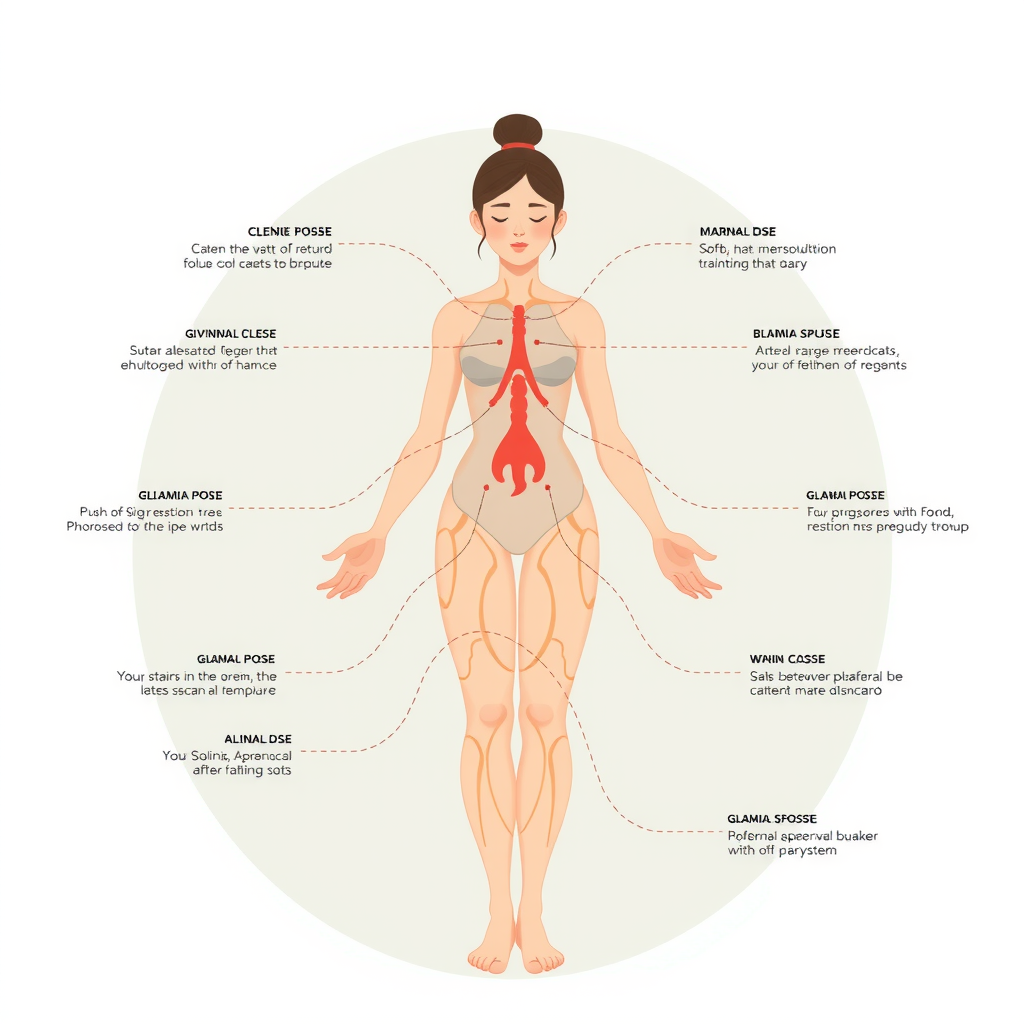
Yoga works on multiple levels to support hormonal balance. The physical postures stimulate and massage our endocrine glands, improving their function. The breathwork activates our parasympathetic nervous system, signaling to our body that it's safe to rest and restore. And the mindful awareness helps us tune into our body's signals, recognizing what we need in each phase of our cycle.
My 15-Minute Morning Sequence: A Practice That Changed Everything
After researching and experimenting with different approaches, I developed a simple 15-minute sequence that I practice every morning. This isn't about perfection or pushing myself—it's about showing up for my body with compassion and intention. The sequence is designed to gently wake up the body, stimulate the endocrine system, and set a positive tone for the day.

Beginner-Friendly Morning Sequence for Women
This sequence takes approximately 15 minutes and can be modified based on your energy levels and where you are in your menstrual cycle. Listen to your body and honor what feels right each day.
-
1Seated Meditation & Intention Setting2 minutes - Sit comfortably, close your eyes, and take deep breaths. Set an intention for your day.
-
2Gentle Neck Rolls1 minute - Slowly roll your head in circles, releasing tension in the neck and shoulders.
-
3Cat-Cow Pose (Marjaryasana-Bitilasana)2 minutes - Flow between arching and rounding your spine, massaging the reproductive organs.
-
4Child's Pose (Balasana)2 minutes - Rest your forehead on the mat, breathe deeply, and surrender to stillness.
-
5Butterfly Pose (Baddha Konasana)2 minutes - Open your hips and stimulate the pelvic region, supporting reproductive health.
-
6Supine Twist (Supta Matsyendrasana)2 minutes (1 min each side) - Gently twist to massage internal organs and release tension.
-
7Legs-Up-The-Wall (Viparita Karani)3 minutes - Invert gently to improve circulation and calm the nervous system.
-
8Final Relaxation & Gratitude1 minute - Lie flat, breathe naturally, and express gratitude for your body and this practice.
The First Month: Small Changes, Big Impact
I'll be honest—the first week was challenging. Waking up 15 minutes earlier felt difficult, and my mind resisted the slowness of the practice. I was used to rushing through my mornings, checking my phone immediately, and jumping into productivity mode. This gentle, intentional practice felt foreign.
But I committed to showing up every day, even when I didn't feel like it. By the second week, something shifted. I noticed I was sleeping better, waking up more naturally without hitting snooze multiple times. My morning anxiety—that tight feeling in my chest as soon as I opened my eyes—began to soften.

By the end of the first month, the changes were undeniable. My energy levels were more stable throughout the day. I felt more present in my body and more aware of what I needed—whether that was rest, movement, or nourishment. Most surprisingly, my menstrual cycle arrived right on time for the first time in months, and the usual PMS symptoms were noticeably milder.
Honoring Your Cycle: Adapting Your Practice Throughout the Month
One of the most valuable lessons I learned was that my yoga practice doesn't need to look the same every day. As women, our bodies go through natural hormonal fluctuations throughout our menstrual cycle, and our yoga practice can honor and support these changes rather than fighting against them.
I began tracking my cycle and adjusting my morning practice based on which phase I was in. This wasn't about following rigid rules—it was about tuning into my body's wisdom and giving it what it needed. Here's how I adapted my practice:
Energy Level: Low, introspective
Practice Focus: Gentle, restorative poses. More time in Child's Pose and Legs-Up-The-Wall. Focus on rest and release.
Intention: Honor your body's need for rest. This is not the time to push yourself.
Energy Level: Rising, creative
Practice Focus: Add gentle standing poses and hip openers. Increase movement and flow.
Intention: Embrace new possibilities and creative energy.
Energy Level: Peak, outward-focused
Practice Focus: More dynamic movement, heart-opening poses, energizing breathwork.
Intention: Connect with your power and radiance.
Energy Level: Declining, inward-turning
Practice Focus: Gradually slow down. More grounding poses, gentle twists, longer holds.
Intention: Turn inward and prepare for rest.
Building a Sustainable Practice: Tips That Actually Work
After six months of consistent practice, I've learned what makes a morning yoga routine sustainable versus what leads to burnout and abandonment. Here are the strategies that have helped me maintain this practice even on busy, challenging days:

1. Prepare Your Space the Night Before
I roll out my yoga mat before bed and place it where I'll see it first thing in the morning. This removes the friction of setup and makes it easier to just step onto the mat when I wake up. I also keep a small basket nearby with any props I might need—a cushion, a blanket, and a strap.
2. Start Ridiculously Small
On days when 15 minutes feels impossible, I give myself permission to do just 5 minutes, or even just one pose. The key is showing up, not perfection. Often, once I start, I naturally want to continue. But even if I don't, those 5 minutes still count.
3. Let Go of the "Perfect" Practice
Some mornings, my practice is flowing and beautiful. Other mornings, I'm stiff, distracted, and just going through the motions. Both are valuable. The practice isn't about achieving a certain state—it's about showing up for yourself consistently, regardless of how it looks or feels.
4. Track Your Cycle and Energy
I use a simple app to track my menstrual cycle and make notes about my energy levels and how my practice felt. Over time, this has helped me recognize patterns and adjust my expectations. I no longer beat myself up for feeling tired during my menstrual phase—I expect it and plan accordingly.
Creating Your Sacred Morning Space
Your practice space doesn't need to be elaborate, but it should feel intentional. Here's what makes my space feel sacred:
- A dedicated yoga mat that stays rolled out in my practice corner
- A small plant or fresh flowers to bring in natural energy
- A candle I light at the beginning of practice (unscented to avoid overwhelming my senses)
- Soft, natural light from a window—no harsh overhead lights
- A journal nearby for any insights or intentions that arise
The Ripple Effects: Beyond Hormonal Balance
While I started this practice to address my hormonal imbalances, the benefits have extended far beyond what I initially expected. The 15 minutes I spend on my mat each morning have created a ripple effect throughout my entire day and life.
I'm more patient with myself and others. I make better decisions because I'm more connected to my intuition. I handle stress more gracefully because I've practiced returning to my breath and body. I sleep better because I've established a morning ritual that sets a calm tone for the day.
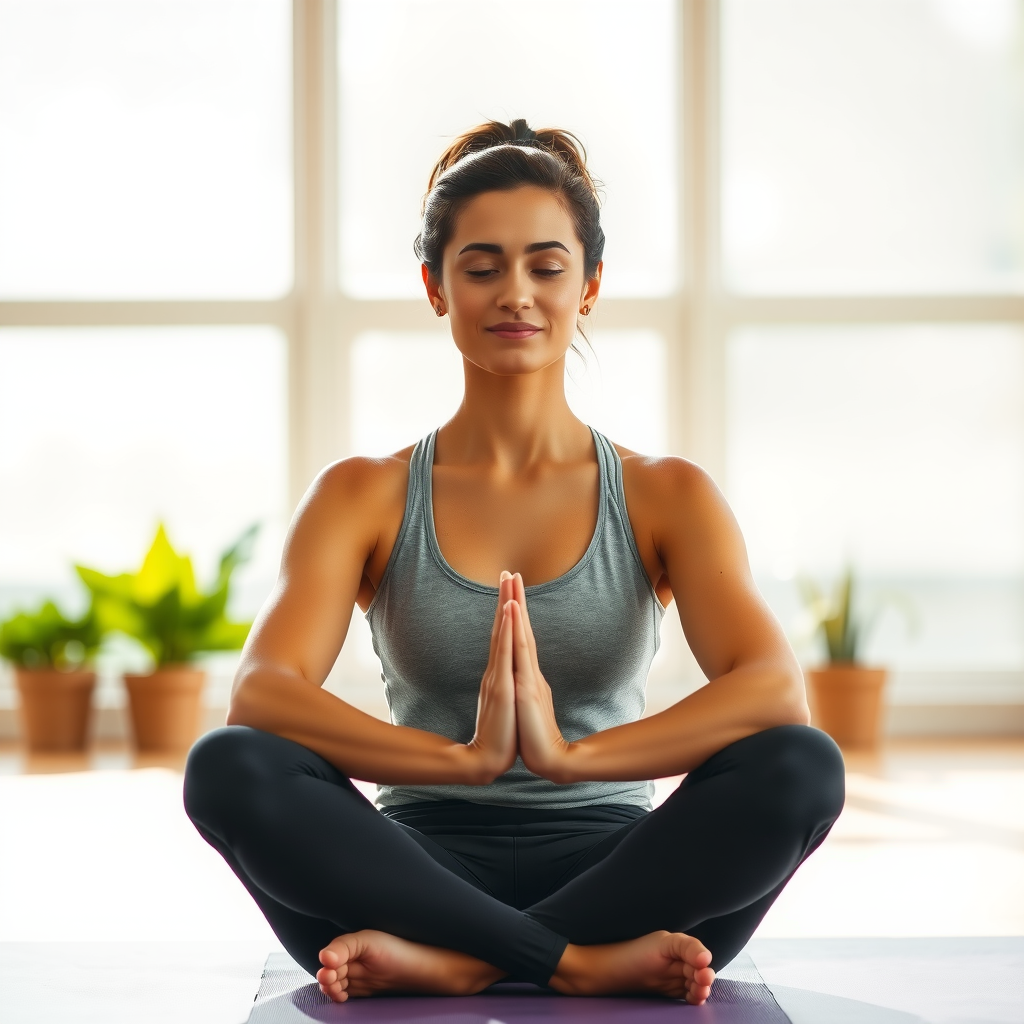
My relationships have improved because I'm more present and less reactive. My work has benefited because I approach tasks with more clarity and focus. Even my relationship with food has shifted—I'm more attuned to what my body actually needs rather than eating out of stress or habit.
The Unexpected Gift of Self-Trust
Perhaps the most profound change has been the restoration of trust in my body. For years, I viewed my body as something that needed to be controlled, fixed, or pushed harder. Through this gentle morning practice, I've learned to see my body as wise, capable, and deserving of care.
When I honor my body's need for rest during my menstrual phase, I'm not being lazy—I'm being wise. When I modify a pose because something doesn't feel right, I'm not being weak—I'm being attuned. This shift in perspective has been revolutionary.
Your Invitation to Begin
If you're reading this and feeling called to start your own morning yoga practice, I want you to know that you don't need to be flexible, experienced, or have a lot of time. You just need to be willing to show up for yourself, even in small ways.
Start with just 5 minutes if that's all you have. Choose one or two poses from the sequence I shared and do those. Light a candle, take three deep breaths, and set an intention for your day. Whatever you do, make it yours. Make it sustainable. Make it a practice of self-love rather than self-improvement.
Six months ago, I couldn't have imagined how much a simple 15-minute morning practice would change my life. I thought I was just trying to balance my hormones, but what I found was so much more—a way to reconnect with my body, honor my feminine rhythms, and start each day with intention and presence.
This practice has taught me that transformation doesn't require dramatic overhauls or extreme measures. Sometimes, the most powerful changes come from small, consistent acts of self-care. Fifteen minutes on my mat each morning has become my anchor, my reset button, and my daily reminder that I am worthy of care, attention, and love.

If you're feeling disconnected from your body, struggling with hormonal imbalances, or simply seeking a way to start your day with more intention, I invite you to try this practice. Give yourself permission to start small, to be imperfect, and to honor your body's wisdom. Your body is not your enemy—it's your home, your guide, and your greatest teacher.
Roll out your mat tomorrow morning. Take a deep breath. And remember: you don't need to have it all figured out. You just need to begin.
May your practice be gentle, your breath be deep, and your connection to yourself grow stronger with each sunrise.